
London has long been a bucket-list destination for travelers around the world. Before you can dive into its museums, markets, and iconic landmarks, you’ll first need to decide how you’ll get there. Fortunately, the city is incredibly well connected, with several options depending on your budget, location, and travel style.
Flying Into London
As one of the busiest travel hubs in Europe, London is served by five airports: Heathrow, Gatwick, Stansted, Luton, and London City. Each has its advantages, and all are linked to central London by efficient transport services.
- Heathrow Airport
Located west of the city, Heathrow is the largest and busiest of London’s airports. It’s well connected by rail: you can choose the Piccadilly line on the Underground for a budget-friendly trip, the Elizabeth Line for a faster option, or the Heathrow Express for the quickest—but most expensive—route to Paddington Station. - Gatwick Airport
South of London, Gatwick is another major international gateway. The Gatwick Express runs directly to Victoria Station in about half an hour, while alternative rail services offer cheaper fares to other central stations. Budget-conscious travelers can also book buses such as the National Express or EasyBus. - Luton Airport
Popular with low-cost airlines, Luton sits north of London. The Luton DART shuttle connects the airport to a nearby rail station, where frequent trains head into King’s Cross. Coaches and taxis are also available for those preferring road travel. - Stansted Airport
Serving many budget carriers, Stansted lies northeast of London. The Stansted Express is the fastest route into the city, reaching Liverpool Street Station in under an hour. Buses also provide a less expensive, if slower, alternative. - London City Airport
Just a short distance from Canary Wharf, this compact airport is a favorite among business travelers. Its central location means you can be in the city within minutes by train, bus, or taxi.
Arriving by Train
London is directly connected to several European capitals by rail. Eurostar trains from Paris and Brussels arrive at St Pancras International in just a few hours, making this a quick and comfortable option. From within the UK, trains link nearly every major city to the capital. Booking early is recommended to secure the best fares, as last-minute tickets can be costly.
Driving to London
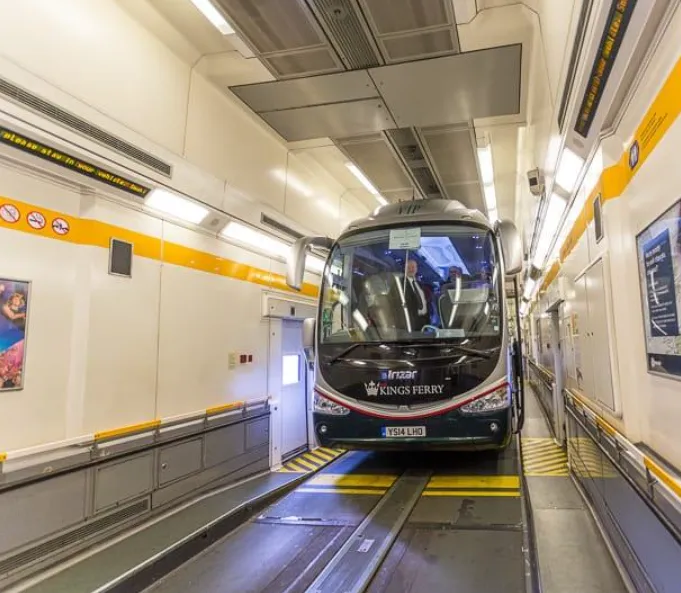
If you’re coming from mainland Europe, reaching London by car requires either a ferry crossing or the Eurotunnel. The tunnel, which links Calais and Folkestone, takes only 30 minutes, allowing you to stay inside your car during the journey. Ferries are slower—about 90 minutes—but often more affordable and flexible. Once in the UK, you’ll need to navigate left-hand driving and city congestion charges when entering central London.
Traveling by Coach
For those seeking the cheapest option, coaches are the way to go. International and domestic coach services operate from across Europe and the UK, with most journeys arriving at Victoria Coach Station in central London. While the fares are attractive, journey times can be long—sometimes exceeding 20 hours depending on your starting point.
Whether you’re flying, driving, or rolling in by train, London’s excellent transport links make it easy to plan your arrival. The choice comes down to how much time and money you want to spend before beginning your adventure in the heart of the UK’s capital.