
Introduction
Endurance athletes often find themselves searching for ways to push past their performance limits, with carbohydrate intake being a crucial factor in both training and racing. While cardio training and mileage are key components, carbohydrate timing and management can make all the difference when it comes to enhancing endurance and achieving peak performance.
Carbohydrates (CHO) play a pivotal role in endurance sports, especially when it comes to sustaining energy, optimizing performance, and aiding recovery. In this blog, we’ll dive into how endurance athletes can use carb intake before, during, and after exercise to maximize their training results and race performance.
Why Carbs Matter for Endurance Athletes
Carbohydrates are the body’s primary energy source for prolonged and high-intensity exercise, stored in muscles and the liver as glycogen. However, many high-level athletes still fall short of meeting their carbohydrate needs, which can negatively impact their performance (Burke, 2001; Kerksick et al., 2017).
Athletes involved in moderate-to-high-volume training may not always replenish their glycogen stores effectively. Inadequate carbohydrate intake can result in early fatigue, reduced exercise capacity, and hindered recovery. Optimizing carb intake ensures that athletes are equipped with the energy needed for training and competition.
Daily Carbohydrate Recommendations for Athletes
Carb intake varies depending on training intensity and duration. Below is a breakdown of the daily carbohydrate needs for different athlete levels:
| Athlete Type | Training Hours per Session | Sessions per Week | Daily Carb Intake (g/kg) |
|---|---|---|---|
| Dedicated | 1–3 hours | 5–6 sessions | 5–8g |
| Elite | ≥4 hours | 5–12 sessions | 6–10g |
For athletes training 1-3 hours per day, 5-6 times a week, consuming 5-8g of carbs per kilogram of body weight daily is recommended. For those participating in more intense training of 4+ hours per day, 6-10g per kg of body weight is ideal (Kerksick et al., 2017). Whole grains, vegetables, and fruits are the best carbohydrate sources, as they provide steady energy without causing digestive discomfort.
Carb Loading Pre-Competition
Properly fueling up before a race is just as important as the work done during training. The goal is to replenish glycogen stores and provide the energy necessary for optimal performance. For events lasting less than 90 minutes, it’s recommended to consume 6-12g of carbs per kg of body weight in the 24 hours leading up to the event. For longer events (over 90 minutes), carbohydrate loading in the 36-48 hours before the race is effective for ensuring optimal glycogen stores (Vitale & Getzin, 2019).
A “top off” in the final 1-4 hours before the race can provide additional glycogen stores, with 1-4g of carbs per kg of body weight being ideal. However, athletes should monitor how their body responds to different foods to avoid gastrointestinal issues that could impair performance.
Carbohydrates During Exercise
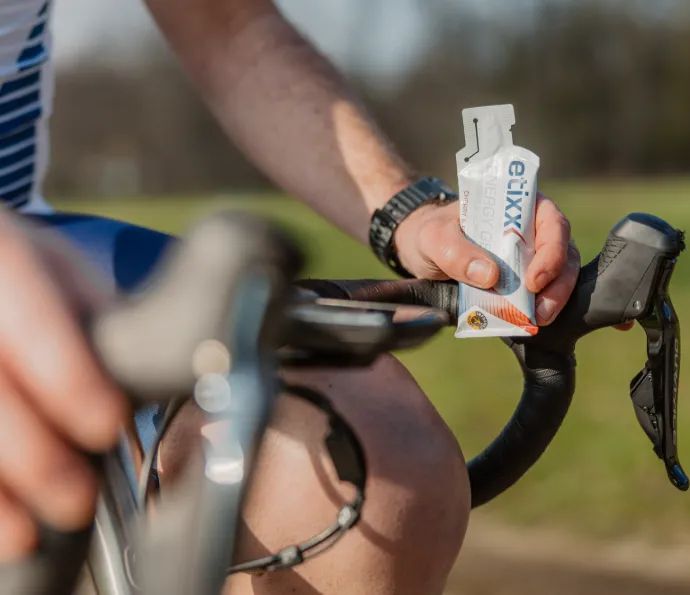
While fueling during exercise is essential, the right type and amount of carbs are key to optimizing performance. The American College of Sports Medicine (ACSM) and the International Society of Sports Nutrition (ISSN) recommend 30-60g of carbs per hour for exercises lasting up to 2.5 hours and 60-90g for longer sessions (Jeukendrup, 2013; Kerksick et al., 2017). Elite athletes often exceed these recommendations, consuming up to 150g per hour.
The body can optimally break down carbs at a rate of 1.0-1.2g per minute, equivalent to 60g per hour (Kerksick et al., 2017). It’s important to note that different types of carbohydrates break down at different rates, so combining sources like glucose, sucrose, and fructose can increase carbohydrate utilization and improve gastrointestinal tolerance during exercise.
Fat and the “Train Low” Strategy
While carbohydrates are essential for endurance events, some athletes have turned to ketogenic diets and the “train low” strategy, which involves reducing carbohydrate intake in favor of fat to enhance fat utilization. While training in a low-carb state may upregulate fat oxidation, it comes at the cost of losing the body’s ability to access maximal glucose oxidation during high-intensity efforts, which is critical during race situations (Vitale & Getzin, 2019).
The ketogenic diet remains controversial for endurance athletes, and it is not generally recommended for improving performance in events that require high-intensity output. Instead, a balanced intake of dietary fat (20-25% of total calories) is a more sustainable approach to maintaining endurance and performance.
Carbohydrate Mouth Rinsing
An interesting strategy that athletes often use during shorter events is carbohydrate mouth rinsing. Swishing a 6-10% carbohydrate solution in the mouth every 5-10 minutes can stimulate taste receptors and improve performance without ingesting any carbs. This method can enhance performance in exercises lasting up to one hour, particularly during high-intensity efforts (Vitale & Getzin, 2019).
However, for events longer than 2 hours, carbohydrate ingestion remains crucial to sustain energy levels and optimize performance.
Post-Competition Carbohydrates
After an endurance event, replenishing glycogen stores is essential for muscle recovery and repair. Consuming carbohydrates along with protein helps restore muscle glycogen levels and supports muscle protein synthesis. This is especially important when the recovery window is short, and athletes need to quickly prepare for the next training session or competition.
Conclusion
Carbohydrates are an essential fuel source for endurance athletes, and managing their intake and timing can significantly improve training and race performance. By following the right carbohydrate strategies before, during, and after exercise, athletes can maximize their energy stores, improve their endurance, and enhance recovery.
Proper carbohydrate loading, during-event fueling, and post-competition replenishment, combined with a balanced diet, are key to optimizing athletic performance. Endurance athletes should continue to experiment and find what works best for their body while ensuring they stay hydrated and maintain proper electrolyte balance for peak performance.