
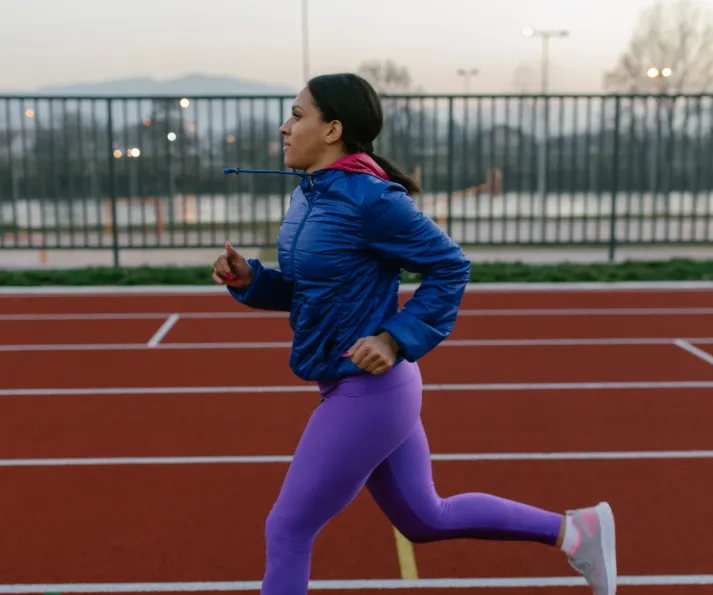
As athletes, we all have a dominant side. It’s something that often goes unnoticed in daily life, but when it comes to sports, even the slightest imbalance can have a big impact on performance. Whether you’re running, cycling, or swimming, these are all sports that involve one side of your body working harder than the other at any given moment. In other words, one leg is always driving forward while the other is recovering. For this reason, making sure both sides of your body are equally strong is crucial if you want to improve your athletic performance.
Identifying and Addressing Weaknesses
As you increase your mileage and push your body harder in training, these side-to-side imbalances can become more noticeable. Over time, they may lead to overuse injuries and compensation patterns that affect your performance. The key to addressing this is strength training that focuses on single-side exercises, which help target and correct imbalances.
Single-sided movements recruit more muscle fibers because each side has to work independently, leading to better overall strength and stability. Training your weaker side separately forces your body to engage those muscles without relying on the dominant side, promoting better balance and strength.
Should You Focus Only on Your Weaker Side?
You may wonder if you should spend all your time working on your weaker side. The answer is no. While it’s important to address your imbalances, strength training should still be a well-rounded approach. A good strategy is to combine both unilateral (single-sided) exercises with full-body movements. This ensures you’re improving overall strength while also giving attention to your weaker areas.
Focusing too much on just one side can limit your progress in developing maximal strength, which requires both sides of your body to work together. A balanced program should incorporate exercises that focus on both single sides and compound movements that engage multiple muscle groups simultaneously.
Exercises to Strengthen Both Sides
Incorporating unilateral exercises into your routine will help challenge your muscles, tendons, and ligaments in new ways, improving your joint stability. Here are a few single-sided exercises you can start with:
Single-Leg Calf Raise
This exercise helps prevent injuries below the knee and can also be used for rehabilitation. Simply hold onto a wall or support for balance, then rise up onto the ball of your foot as high as you can. Lower yourself slowly, maintaining control. Aim for 20-30 repetitions per leg, focusing on a slow, steady rhythm.
Single-Leg Squat
You don’t need a gym for this one—just use a kitchen chair. Start by standing on one leg and perform the “standing up” phase, then sit back down with both feet on the ground. The key here is to press through your heel as you stand, engaging your glutes. Start with 3 sets of 6-8 reps, and as you progress, try lowering the surface to increase difficulty.
Supported Single-Arm Row
For this, use suspension straps or a similar setup. Stand with your feet hip-width apart, holding one handle with both hands. Lower yourself slowly and use your arm to pull yourself back up, keeping your body stable. The difficulty increases as you adjust your body position, so you can make it more challenging by moving your feet closer to the wall.
Single-Leg Hamstring Bridge
All you need for this exercise is a chair. Lie on your back with your heels on the seat, legs slightly bent past 90 degrees. Drive your hips up, fully extending through your glutes, then lower back down. Keep a steady rhythm, aiming for 20-30 reps per leg.
Patience and Progress
Improving single-side strength and correcting imbalances won’t happen overnight, but the benefits are significant. You’ll notice improvements in your overall performance and a reduced risk of injury. Consistency is key—make sure to incorporate single-side exercises into your routine regularly. Over time, this will help you run, cycle, or swim more efficiently and reduce the risk of injury from muscle imbalances.