
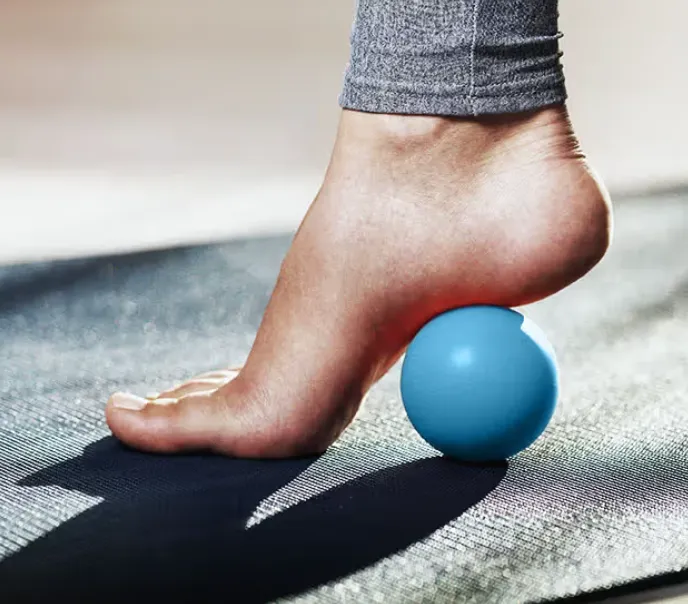
Many runners have relied on techniques like stretching routines, massage tools, or shoe inserts to alleviate plantar fasciitis pain. Yet, despite these efforts, many continue to face discomfort for weeks, months, or even years.
Plantar fasciitis is a common and persistent issue among endurance athletes, whether you’re an experienced marathoner or a beginner. Most likely, you’ve either dealt with or know someone who has experienced the sharp, nagging pain beneath the foot or heel.
So, what makes plantar fasciitis so difficult to overcome?
The challenge often lies in our approach. Most people treat the symptoms of plantar fasciitis—using foot massages, ice packs, or orthotic inserts. While these methods might offer temporary relief, they rarely address the underlying problem: your body simply can’t handle the load you’re placing on it. This issue isn’t limited to just your foot; it’s a full-body concern.
Understanding the Cause of Plantar Fasciitis
Plantar fasciitis occurs when the connective tissue that runs along the bottom of your foot becomes irritated. This tissue is a key component of your body’s spring system, essential for walking, running, hiking, and other activities. If your body lacks strength and proper mechanics, stress is redirected to this tissue. When you increase your training intensity or volume without adequate strength and conditioning, the foot becomes overloaded, leading to pain.
A Full-Body Solution, Not Just a Foot One
Focusing solely on the foot isn’t going to provide long-term relief. It’s essential to take a broader view of the problem. Ask yourself:
- Do you have enough single-leg strength?
- Are your glutes, hamstrings, and calves strong enough for the demands you place on them?
- Is your running or walking technique efficient?
- When was the last time you jumped, hopped, or landed with control—or have you been avoiding such movements?
Chances are, the issue isn’t a lack of calf stretches. What you need is improved athletic spring and better load tolerance across your entire lower body.
Treating Plantar Fasciitis: Focus on Strength and Load Management
The key to recovering from plantar fasciitis is identifying and addressing your weaknesses. Begin by building overall leg strength, reintroducing plyometric exercises gradually, and refining your movement mechanics to enhance confidence and control. Equally important is managing your training load.
Many runners rush back into high-volume training after an injury or to reach a new goal, without respecting their body’s current capacity. This can lead to repeated setbacks and further injury.
Building a Resilient Body
To truly overcome plantar fasciitis, you need to rebuild your foundation. This includes:
- Progressing from basic rehabilitation exercises to more challenging strength and plyometric movements.
- Managing your weekly training load and intensity thoughtfully.
- Examining your lifestyle: How much time do you spend on your feet at work? How does this affect your recovery?
By focusing on the whole-body approach to strength, movement efficiency, and load management, you can finally overcome plantar fasciitis and keep it from coming back.