
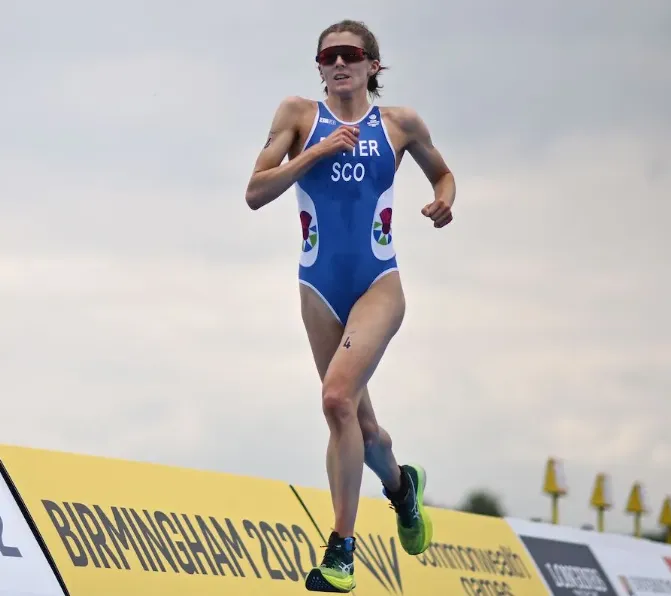
As triathletes, you know the importance of balancing your endurance training with strength training to maximize performance. But when it comes to strength, how much is enough? Strength training is often seen as something that builds a stronger body, but it also plays a significant role in improving endurance and overall performance, both of which are essential for triathletes.
Understanding Strength and Conditioning for Triathletes
Strength and conditioning for endurance athletes like triathletes is about much more than just lifting heavy weights. The key is to focus on building strength that supports endurance, mobility, and recovery—things that help you train, race, and recover without risking injury.
The question many triathletes ask is: “How strong do I really need to be?” It’s an important question, as strength training often takes a back seat to the demands of swimming, cycling, and running. However, the answer is simple: strength is the foundation for your performance in all three sports.
Strength as the Foundation for Speed
Many endurance athletes assume that speed is the main goal, and strength will follow naturally. But the truth is, strength is the base from which speed, coordination, balance, and endurance are all built. If you’re not strong, you won’t be efficient, and inefficient movement wastes energy and can lead to injury. When you’re weak or imbalanced, poor form becomes a bigger issue as you push yourself harder, which only exacerbates the risk of injury.
Being strong is key to moving more efficiently, and this efficiency translates into better performance across all three sports. Imagine running faster without worrying about injuries, cycling with better power output, or swimming with a more efficient stroke—strength training makes all of that possible.
Strength for Functional Movements
Triathletes, like all athletes, need a certain level of functional strength. This includes the ability to move your body effectively—whether it’s pulling, pushing, squatting, or lifting your own bodyweight. This functional strength ensures you can do essential tasks like getting up off the floor, climbing stairs, or even helping someone else in an emergency.
Moreover, when you’re running, you’re essentially transmitting multiple times your bodyweight through your joints. Strength training helps to replicate these forces, preparing your muscles to handle the impact and maintain endurance over time. Without this preparation, you may find yourself physically taxed when you’re out on a race course.
The Impact of Age on Strength
As we age, our bodies naturally undergo physiological changes, such as a decline in muscle mass and bone density. For triathletes over 30, this can be especially noticeable. Implementing a solid strength training routine can counteract these changes by preserving muscle mass, maintaining joint health, and supporting overall function. By focusing on strength, you’re effectively combating the physical decline that can come with aging and setting yourself up for better performance as you continue to train.
How to Know When You’re Strong Enough
The real measure of strength for a triathlete is when everyday tasks and training become easier. If you find that the typical injuries and niggles you’ve been managing for years start disappearing, it’s a sign that your strength training is working. A stronger body also means more sustainable power in all three sports.
For example, you’ll experience a more efficient stroke in the water, be able to hold a higher power output on the bike, and run faster for longer. Triathletes also often report quicker recovery times after hard sessions, which makes strength training a game-changer in terms of overall performance.
It’s important to note that triathletes don’t need to be lifting world-record weights. Strength training should complement your endurance training, not hinder it. With the right programming, you can build strength without affecting your running, cycling, or swimming performance. It’s about finding the balance that works for you.
Conclusion: Strength Training for Triathletes
So, how strong do triathletes need to be? Strong enough to move efficiently, avoid injuries, and perform at their best. Strength training is not just about adding muscle—it’s about creating a more resilient body that can handle the demands of triathlon training and racing over time. By incorporating a balanced strength program into your training schedule, you’ll ensure that you continue to get stronger, recover faster, and reach your full potential as a triathlete.