
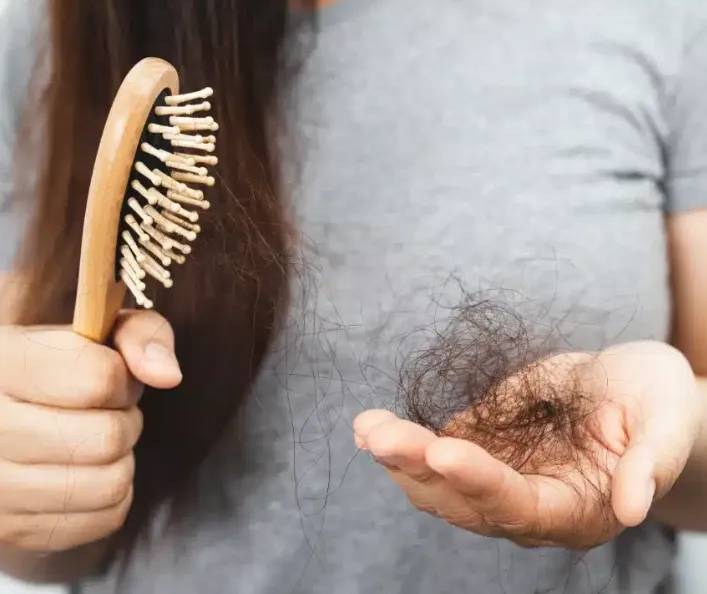
Healthy, resilient hair doesn’t just depend on good shampoos or styling habits—it starts with nutrition. Among the many nutrients that influence hair, zinc stands out as one of the most important. This trace mineral plays a direct role in keeping hair follicles strong, supporting scalp balance, and encouraging proper growth cycles.
What Exactly Is Zinc?
Zinc is a trace mineral required by the body in small amounts, yet it’s involved in hundreds of essential functions. It supports cell repair, immune defense, reproductive health, and metabolic activity. Because the body doesn’t store zinc, it needs to be consumed consistently through food or supplementation. Without enough, processes like tissue healing, hormone balance, and antioxidant protection can falter—often showing up first in your skin, nails, and hair.
How Zinc Supports Hair
Zinc is critical for maintaining healthy hair from root to tip. Some of its most important roles include:
- Keratin production: As a cofactor in keratin synthesis, zinc helps build the structural protein that gives hair its strength. Insufficient zinc can leave strands fragile and prone to breakage.
- Hair growth cycle regulation: Zinc aids in protein production and cell division, which drive the active growth phase of hair. Adequate levels support thicker, stronger strands.
- Follicle protection: By stabilizing the oil glands around hair follicles, zinc helps maintain the scalp environment needed for continuous growth.
Signs of Zinc Deficiency
Worldwide, zinc deficiency affects millions of people, particularly in regions with limited access to zinc-rich foods. General symptoms include lowered immunity, skin rashes, poor wound healing, appetite changes, and digestive problems. When it comes to hair specifically, warning signs can include:
- Excessive shedding
- Dull, brittle, or thinning strands
- Persistent dandruff or scalp irritation
- Premature greying
If you suspect your diet may not provide enough zinc, professional advice from a healthcare provider or nutritionist is a good place to start.
Foods High in Zinc
While supplements are one option, many everyday foods are excellent zinc sources:
- Oysters and other shellfish
- Beef, lamb, and liver
- Milk, cheese, and other dairy products
- Pumpkin seeds
- Cashews and pine nuts
- Lentils and legumes
Animal-based foods generally offer the most bioavailable zinc, though plant-based sources can still contribute when consumed regularly.
Research Insights
Studies have highlighted zinc’s connection to hair health, particularly its effect on hair loss. One notable study in 2013 found that people experiencing hair loss had significantly lower zinc levels compared to those without. Severe deficiencies were strongly linked to conditions such as alopecia areata and telogen effluvium, both of which involve noticeable shedding. These findings reinforce the idea that adequate zinc is essential for maintaining healthy hair follicles.
Final Thoughts
Zinc may not always be the first nutrient that comes to mind when thinking about hair health, but its influence is undeniable. Consuming zinc-rich foods or considering supplementation—when needed—can help support stronger strands and a healthier scalp. If you’re dealing with hair thinning, persistent shedding, or signs of deficiency, working with a healthcare professional can help you determine whether increasing your zinc intake could make a difference.