
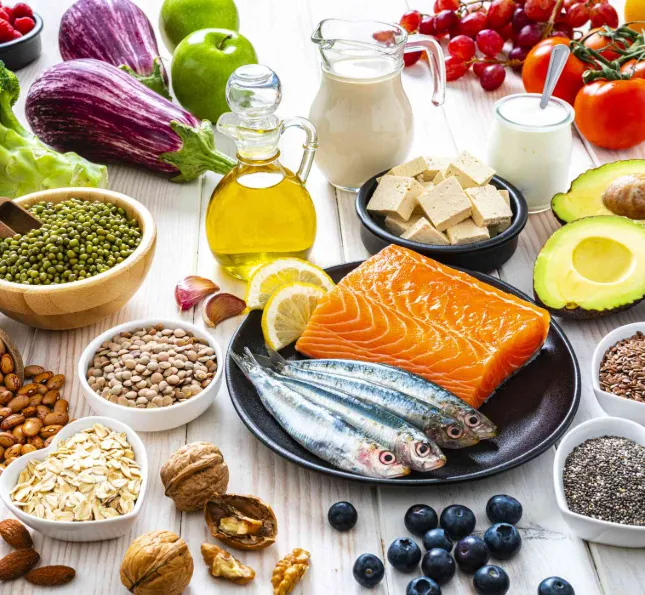
Calcium is an essential mineral that plays a key role in maintaining your overall health. It’s most commonly known for keeping bones and teeth strong, but it also helps with nerve function, muscle movement, and heart health. Since your body doesn’t store calcium, it’s crucial to include enough of it in your diet.
In this post, we’ll explore the importance of calcium, how much you need, and share tips on how to get more calcium-rich foods into your daily routine to keep your bones and body healthy.
Why is Calcium Important?
Calcium is vital for more than just your bones. It helps transmit nerve signals, supports muscle contractions, and keeps your heart beating regularly. If your body doesn’t get enough calcium through your diet, it starts drawing calcium from your bones to maintain the necessary levels in your blood. Over time, this can weaken bones, leading to conditions like osteoporosis.
How Much Calcium Do You Need?
Calcium intake is particularly important during childhood and adolescence when bones are growing rapidly. Up to 40% of your peak bone mass is gained during puberty, so calcium intake during this time is essential.
As we age, maintaining calcium intake remains crucial. For women, bone loss accelerates after menopause due to hormonal changes. This process speeds up further in older adults as the body’s ability to absorb calcium from food decreases.
The recommended amount of calcium varies by age and gender. As you age, your calcium requirements increase to maintain bone strength and prevent loss through the kidneys. You can check with a healthcare provider for more personalized guidance.
Factors That Affect Calcium Absorption
Calcium absorption can be influenced by several factors, including the type of food you eat and certain lifestyle choices.
- Oxalic and Phytic Acids: Foods high in oxalic acid, like spinach, and phytic acid, found in nuts and grains, can reduce calcium absorption by binding to it.
- Caffeine: Excessive caffeine intake has been linked to calcium loss, especially in older adults. It’s recommended to limit caffeine to under 300mg a day, which equals about one espresso or six cans of caffeinated soda.
- Alcohol: Heavy alcohol consumption can reduce bone density and disrupt the production of osteoblasts, cells responsible for bone formation. It can also raise cortisol levels, which affects bone health.
- Supplements: Calcium supplements should ideally be taken with food to aid absorption. It’s best to take supplements in smaller doses of 500mg or less to enhance absorption efficiency.
Best Sources of Calcium
Calcium is most commonly found in dairy products, but there are also many other sources you can include in your diet. These include:
- Dairy Products: Milk, cheese, and yogurt are excellent sources of calcium.
- Fish: Bony fish like sardines and salmon contain calcium.
- Leafy Greens: Dark leafy vegetables like kale and bok choy are good sources of calcium.
- Fortified Foods: Some plant-based milks, cereals, and juices are fortified with calcium.
- Nuts and Legumes: Almonds, beans, and figs contain small amounts of calcium.
How to Get Calcium Without Dairy
If you’re lactose intolerant, vegan, or avoid dairy for other reasons, there are plenty of non-dairy options available. Many plant-based milks are fortified with calcium, such as almond milk, soy milk, and oat milk. Look for ones that contain at least 120mg of calcium per 100ml.
You can also include calcium-rich foods like leafy greens, tofu, and fortified cereals in your diet to make up for the lack of dairy.
Can You Have Too Much Calcium?
While calcium is vital, it’s possible to consume too much. The upper limit for calcium intake is 2500mg per day for adults. High calcium intake can increase the risk of kidney stones and interfere with the absorption of other essential minerals like iron and zinc.
6 Tips to Boost Your Calcium Intake
Here are six simple ways to incorporate more calcium into your daily routine:
- Snack on almonds, dried figs, or apricots.
- Choose plant-based milk that’s fortified with at least 120mg of calcium per 100ml.
- Add tofu to your stir-fries or soups.
- Include dark leafy greens, like kale, in your salads or soups.
- Enjoy yogurt with your breakfast cereal.
- Top your salads with canned sardines or cheese for a calcium boost.
Should You Take Calcium Supplements?
While food is the best source of calcium, supplements can help if you’re unable to meet your calcium needs through diet alone. If you choose to take a supplement, be sure to consult with a healthcare provider to determine the right type and dosage for your needs.
By prioritizing calcium-rich foods and considering supplements where necessary, you can support your bone health and overall well-being for years to come.