
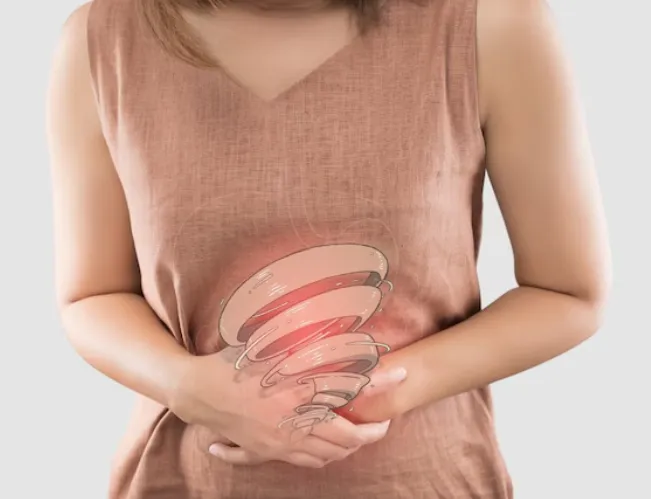
Living with irritable bowel syndrome (IBS) can be frustrating and exhausting. For many people, it brings unpredictable flare-ups of abdominal pain, bloating, and changes in bowel habits, often making it difficult to enjoy everyday life without worry. IBS is more common than many realize, affecting a significant portion of the population, and while it isn’t considered life-threatening, the chronic discomfort it causes can take a toll on both physical health and emotional wellbeing.
The good news is that IBS doesn’t have to control your life. With the right approach—through diet, stress management, and targeted support like probiotics—it is possible to reduce the intensity of symptoms and create a more stable routine.
Probiotics and IBS: Why They Matter
Probiotics are living microorganisms that promote a healthier balance of bacteria in the digestive tract. When harmful bacteria outnumber the beneficial strains, it can trigger issues like gas, diarrhea, and abdominal discomfort—all of which are common with IBS. By introducing probiotics through food or supplements, many people notice an improvement in gut function and a reduction in flare-ups.
Although the exact cause of IBS remains unclear, research shows that probiotics can help restore microbial balance, support digestion, and even ease the severity of symptoms such as bloating and irregular bowel movements.
Natural Food Sources of Probiotics
If you prefer to start with dietary changes, adding probiotic-rich foods to your meals can be an easy step. Common options include yogurt, kefir, sauerkraut, kimchi, miso, and kombucha. These foods naturally contain live cultures that help the gut thrive. For those who find it challenging to eat enough of these foods regularly, supplements can provide a consistent source of probiotics.
IBS Symptoms to Watch For
IBS looks different for everyone, but some of the most frequent signs include:
- Persistent abdominal pain or cramping
- Unpredictable bowel movements
- Constipation, diarrhea, or a mix of both
- Excess gas or bloating
- Nausea
- The presence of mucus in stool
Because symptoms can vary in intensity, some people experience only mild disruptions while others face daily challenges that affect quality of life.
Types of IBS
Not all IBS manifests in the same way. The condition is typically classified into three categories:
- Constipation-predominant IBS: Slower digestion leads to hard stools, discomfort, and abdominal pain.
- Diarrhea-predominant IBS: Loose stools occur frequently, often triggered by meals or early in the morning.
- Mixed-type IBS: Individuals alternate between constipation and diarrhea.
What Causes IBS?
While the root cause is not fully understood, several factors appear to play a role:
- Intestinal muscle contractions: Irregular contractions can move food too quickly or too slowly, resulting in diarrhea or constipation.
- Nervous system imbalances: Poorly regulated signals between the brain and gut may increase pain sensitivity.
- Infections: Some people develop IBS after a severe stomach bug or food poisoning.
- Stress: Emotional stress can intensify symptoms and trigger flare-ups.
- Gut microbiome differences: Studies suggest people with IBS have a distinct microbial balance compared to those without the condition.
- Food sensitivities: Certain foods, such as dairy or highly processed items, may worsen symptoms.
- Medication use: Antibiotics, for example, can disrupt gut flora and lead to digestive issues.
When to Seek Medical Advice
While IBS itself isn’t dangerous, certain symptoms should never be ignored. If you experience unexplained weight loss, bleeding, severe abdominal pain, vomiting, or anemia, it’s essential to speak with your doctor to rule out more serious conditions. Diagnosis often involves a review of symptoms and tests like the ROME IV criteria, and sometimes additional screenings if other concerns are present.
Managing IBS in Daily Life
Although IBS cannot be completely cured, many people find significant relief through lifestyle adjustments. Here are some strategies that may help:
- Identify trigger foods: Keep a food journal to track what meals worsen your symptoms.
- Eat a balanced diet: Incorporating fiber helps regulate bowel movements, though gas-producing vegetables may need to be limited for some individuals.
- Stay hydrated: Drinking enough water supports digestion and helps soften stools.
- Practice stress reduction: Activities like yoga, meditation, or deep breathing can calm the nervous system and reduce flare-ups.
- Consider probiotics: Adding probiotic supplements or probiotic-rich foods to your routine may help restore gut balance and ease discomfort.
Final Thoughts
IBS may be a long-term condition, but it doesn’t have to define your daily life. By paying attention to your diet, managing stress, and supporting your gut with probiotics, you can reduce symptoms and improve your quality of life. With the right combination of lifestyle changes and mindful care, living well with IBS is absolutely possible.