
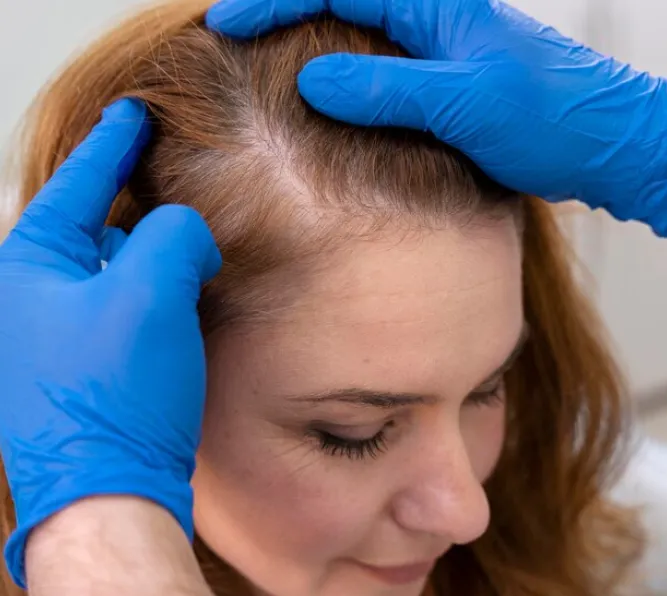
Noticing more hair in your brush than usual or finding your strands looking thinner can feel worrying. While stress, nutrition, and genetics all play a role in hair health, one often-overlooked factor is the thyroid. This small gland has a powerful influence on how your hair grows and looks, and when it’s not working properly, your hair may show the first signs of imbalance.
What Does the Thyroid Do?
The thyroid is a butterfly-shaped gland at the base of your neck, and despite its small size, it plays a huge role in regulating your body. It manages metabolism, energy production, heart rate, and even mood. When it comes to your hair, the thyroid helps keep the growth cycle steady. If hormone levels are disrupted, so is that cycle—leading to thinning, breakage, or excess shedding.
How Thyroid Imbalances Affect Hair
- Hypothyroidism (Underactive thyroid): Too little thyroid hormone slows down the body’s processes, including hair growth. Hair may become dry, brittle, and fall out evenly across the scalp.
- Hyperthyroidism (Overactive thyroid): When too much hormone is produced, the body speeds up—including the hair cycle. Strands may grow and shed too quickly, leaving them thin, fine, and fragile.
In both cases, hair loss often accompanies other symptoms such as fatigue, weight changes, or changes in skin texture.
The Hair Growth Cycle and Thyroid Function
Hair naturally moves through phases of growth, rest, and shedding. A healthy thyroid helps regulate these phases so new strands replace old ones smoothly. When hormone levels are unbalanced, the growth phase may shorten while the shedding phase lengthens, resulting in thinner, weaker hair overall.
Signs that thyroid function may be affecting your hair include:
- Gradual thinning across the entire scalp
- Hair that feels more fragile or changes in texture
- Patchy loss, particularly in autoimmune thyroid conditions
Supporting Your Thyroid and Hair
The positive news is that thyroid-related hair loss is often temporary and can improve once the thyroid is brought back into balance. Here are some ways to support both:
- Seek medical advice: If you suspect your thyroid may be the cause of your hair changes, talk with a healthcare professional. Blood tests can confirm hormone imbalances, and treatment can help restore both thyroid and hair health.
- Eat for thyroid support: Nutrients such as iodine (found in seaweed and iodized salt), selenium (from Brazil nuts and seafood), and zinc (from oysters, nuts, and lentils) are vital for thyroid hormone production and hair growth.
- Manage stress: Chronic stress can disrupt both thyroid function and the hair cycle. Mindfulness practices, gentle exercise, or yoga can help ease that burden.
- Consider targeted supplements: Formulas containing selenium, zinc, and biotin may support both thyroid activity and healthy hair growth when paired with a balanced diet.
Final Thoughts
Hair loss linked to thyroid function can feel discouraging, but it’s often reversible. Identifying and treating thyroid imbalances, while also nourishing your body with the right nutrients and stress-management habits, can help bring back stronger, healthier hair. Addressing the root cause is the key to restoring both thyroid balance and hair vitality.