
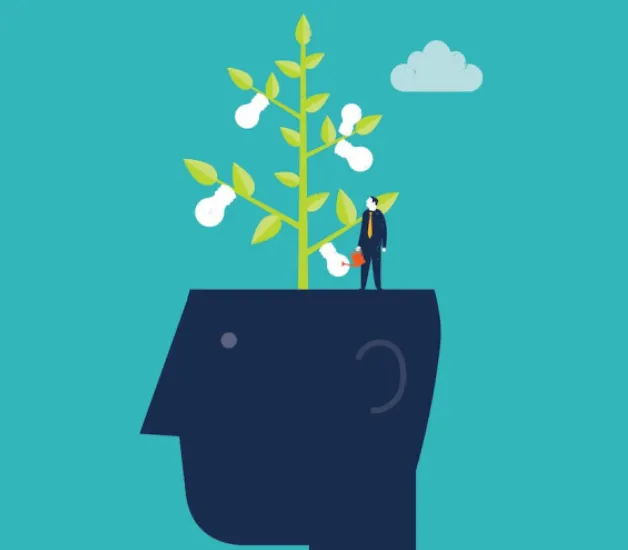
When people think about health, the focus often falls on diet, exercise, or routine check-ups. While these are essential, taking care of your mental health is equally important. Just as physical fitness strengthens the body, mental fitness allows us to adapt, grow, and thrive. A healthy mind enables us to embrace life’s joys, handle challenges, and recover from setbacks with resilience.
Good mental health doesn’t mean avoiding sadness, anger, or stress. Instead, it equips us to move through these experiences without being consumed by them. When we nurture our mental well-being, we enhance creativity, confidence, and emotional balance. We are also better able to cope with the difficult moments—loss, conflict, or change—while still finding our way back to fulfillment.
Why Mental Health Matters Beyond the Mind
Caring for mental health isn’t only about emotions; it can also benefit the body. Chronic stress, for example, is linked to conditions such as heart disease and weakened immunity. Managing stress effectively, maintaining positive routines, and engaging in meaningful activities can reduce the risk of both mental and physical illness. In some cases, tending to mental well-being can even help prevent relapse in existing health conditions.
The good news is that many of us already practice habits that support mental strength—often without realizing it. Three simple but powerful strategies stand out: staying active, fueling the body with nutritious food, and finding ways to reduce stress.
The Power of Movement
Exercise has long been known for its physical benefits, but its impact on mental health is just as significant. Regular movement has been shown to ease symptoms of depression and anxiety, improve sleep, and boost self-esteem. It doesn’t need to be intense—a brisk walk, a swim, or even a short stretching session can lift your mood and calm your mind.
One reason for this is the release of endorphins, the brain’s natural “feel-good” chemicals. These substances reduce pain, create a sense of euphoria, and help us cope with stress. Some people feel an energy boost within minutes of activity, while for others it takes a bit longer. Either way, the result is a natural uplift that no pill can replicate.
Beyond the chemical benefits, exercise connects us with others. Joining a class, walking with a friend, or playing a sport creates social interaction in a positive environment—an added layer of support for mental well-being.
Nutrition and the Mind
What we eat doesn’t just fuel the body; it feeds the brain. Research increasingly shows that diet plays a key role in mental health. Diets high in processed foods, sugar, and unhealthy fats have been linked to rising rates of depression and anxiety. On the other hand, meals rich in fresh produce, whole grains, and healthy fats can help stabilize mood and support brain function.
Nutrients are the building blocks for neurotransmitters—the brain chemicals responsible for mood, sleep, and concentration. When we nourish our bodies with wholesome food, we also give our minds the tools to function at their best. A balanced diet, then, isn’t just about weight management or disease prevention; it’s an investment in emotional health and cognitive performance.
Finding Balance
Taking care of your mental health doesn’t have to be complicated. Small steps, repeated consistently, can make a profound difference. Choosing a morning walk, preparing a nutritious meal, or setting aside time to relax and unwind are all ways to build resilience and balance.
Ultimately, mental fitness allows us to live with greater clarity, purpose, and joy. By embracing healthy habits for both mind and body, we equip ourselves to face challenges, celebrate successes, and enjoy the full spectrum of life.