
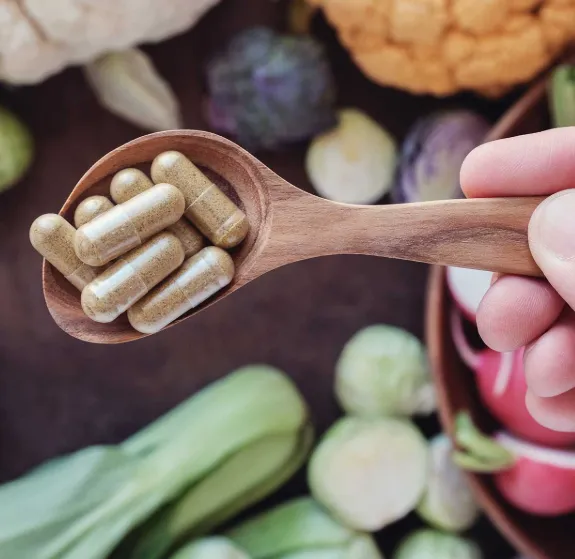
Digestive troubles are something most people experience at some point, and diarrhea is among the most common. While often short-lived, it can be disruptive, uncomfortable, and exhausting. Alongside a healthy diet and mindful food choices, probiotics are gaining attention for their ability to support gut balance and potentially reduce episodes of diarrhea. But before you add them to your routine, it’s worth understanding what they do, how they work, and what side effects you might encounter.
What Exactly Are Probiotics?
Probiotics are live microorganisms, often referred to as “good bacteria,” that help keep the digestive system balanced. Our gut naturally contains both helpful and harmful bacteria, and when this balance tips in the wrong direction, issues like diarrhea, bloating, or stomach discomfort can arise. By increasing the number of beneficial microbes, probiotics may help restore stability and ease symptoms.
How Probiotics May Help With Diarrhea
Research suggests that taking probiotics can reduce the likelihood of developing diarrhea and may shorten its duration when it occurs. While harmful bacteria and viruses can’t be avoided entirely, building a stronger colony of good bacteria makes it easier for the gut to fight back. Fermented foods like yogurt, kefir, sauerkraut, and kimchi are natural sources of probiotics, but supplements are also widely available for those who want a more concentrated dose.
Common Causes of Diarrhea
Diarrhea refers to frequent loose stools, often three or more times per day, and it can come with additional symptoms such as nausea, abdominal cramping, or fever. Triggers range from food intolerances, such as lactose sensitivity, to infections caused by viruses, bacteria, or parasites. In many cases, diarrhea clears up within a few days, but recurring or severe cases may require medical attention.
Can Probiotics Cause Problems Too?
While probiotics are generally safe, overconsumption or sensitivity to certain strains can lead to mild side effects, such as gas, bloating, or even loose stools. The key is to stick with recommended dosages and monitor how your body responds. If discomfort persists, it’s best to stop use and consult a healthcare professional.
When Probiotics Can Be Especially Helpful
There are a few situations where probiotics may be particularly beneficial:
- Traveler’s Diarrhea
Exploring new foods abroad can expose you to unfamiliar bacteria. Taking probiotics before and during travel may lower the risk of traveler’s diarrhea, especially strains like Saccharomyces boulardii, which are known for their protective effects. - After Antibiotics
Antibiotics are highly effective for fighting infections, but they also wipe out much of the gut’s natural bacteria. This disruption often results in diarrhea. Probiotics can help rebuild healthy gut flora and restore digestive balance more quickly.
Preventing Diarrhea Beyond Probiotics
Probiotics are not a cure-all, but they can complement broader lifestyle changes. Preventive steps include eating a balanced diet, limiting heavily processed foods, drinking plenty of water, and avoiding foods that you know irritate your system. Fruits and vegetables provide valuable fiber and nutrients that promote good digestion, while variety ensures a diverse gut microbiome.
What to Eat and Drink During an Episode
When diarrhea strikes, a gentle approach to eating can ease symptoms. Many people find the BRAT diet—bananas, rice, applesauce, and toast—soothing because these foods are bland, easy to digest, and help firm up stools. Adding a bit of salt through foods like soup or pretzels can also help replace sodium lost through fluid loss.
Hydration is equally critical. Because diarrhea depletes both water and electrolytes, aim to drink small amounts frequently throughout the day. Water is essential, but electrolyte-rich drinks or rehydration solutions can be even more effective at restoring balance.
Final Thoughts
A healthy lifestyle goes a long way toward protecting digestive health, but sometimes extra support is needed. Probiotics can play a valuable role in maintaining balance, reducing the risk of diarrhea, and supporting recovery when problems arise. As with any supplement, moderation and consistency are key. Listen to your body, combine probiotics with a nourishing diet, and you’ll give your gut the best chance to thrive.