
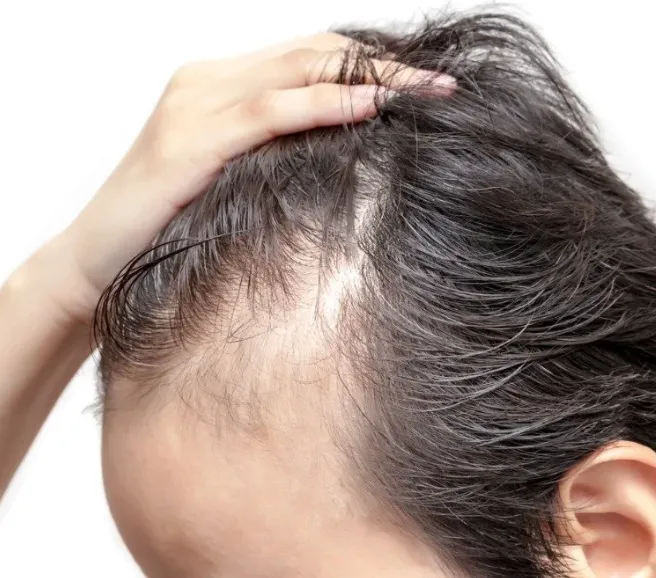
Stress touches every part of life, but its influence often extends far beyond mood and mental well-being. For many women, ongoing stress doesn’t just weigh on the mind—it shows up physically. One of the most common but easily overlooked signs is changes in hair health. If you’ve noticed shedding, thinning, or a loss of volume, stress might be playing a bigger role than you realize.
Understanding Stress and Its Impact
Stress is your body’s built-in response to challenges. In short bursts, it can be helpful—keeping you sharp before an important meeting or quick to react in sudden situations. The trouble comes when stress becomes constant. Chronic stress has wide-reaching effects, and your hair is not immune to them.
Stress can take different forms:
- Physical stress: illness, injury, or even pushing yourself too hard with exercise.
- Emotional stress: grief, relationship challenges, or major life changes.
- Mental stress: overthinking, juggling too many responsibilities, or pressure from within.
Each type can disrupt the delicate balance of your hair growth cycle if left unchecked.
How Stress Influences Hair Growth
Hair normally cycles through growth, rest, and shedding phases. With long-term stress, this rhythm can be disturbed in several ways:
- Premature shedding: Stress can trigger follicles to shift into a resting state earlier than normal, leading to noticeable hair fall—a condition known as telogen effluvium.
- Hormonal disruption: Elevated cortisol levels can interfere with hormones that regulate healthy hair growth, slowing progress and reducing thickness.
- Reduced circulation: Stress may limit blood flow to the scalp, cutting off the steady supply of nutrients and oxygen that follicles rely on.
- Immune system effects: When stress weakens the immune system, it can contribute to conditions like alopecia areata, where the body mistakenly attacks its own hair follicles.
Why Women Often Feel It More
Nearly half of women experience noticeable hair thinning by midlife. Natural hormonal shifts—whether from pregnancy, menopause, or other life transitions—can make women more sensitive to the effects of stress on their hair. Combined with daily pressures, this makes stress a particularly significant factor in women’s hair health.
What You Can Do About Stress-Related Hair Loss
The encouraging part is that stress-related hair thinning is often temporary. By addressing both stress and overall health, many women see improvement. Here are a few practical steps:
- Focus on nutrition: A varied diet rich in iron, zinc, and biotin helps nourish follicles and support stronger growth.
- Build calming routines: Practices like yoga, meditation, or journaling can ease tension and create balance.
- Choose gentle hair care: Avoid harsh treatments and opt for products that strengthen rather than strip your strands.
- Explore natural support: Herbal adaptogens, such as shatavari and biota, may help regulate stress hormones and restore balance.
- Seek guidance: If shedding continues or worsens, consult a healthcare provider or dermatologist to rule out underlying health concerns.
The Bottom Line
Stress can take a toll on more than just your mood—it can directly affect the health of your hair. While the experience of thinning or shedding can feel discouraging, the good news is that in many cases, it’s reversible. By taking steps to manage stress and supporting your body with proper nutrition and care, you can protect your hair while also improving your overall well-being.