
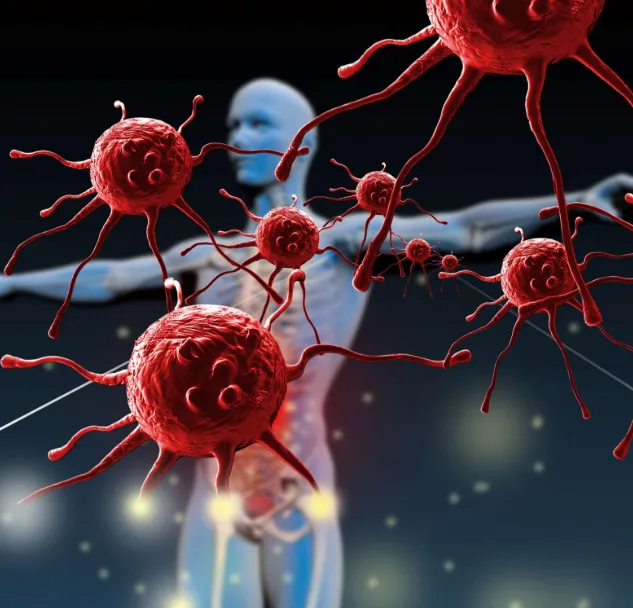
Stress is a natural response to threats, whether real or perceived, and it triggers a series of physiological processes in the body. When faced with stress, the hypothalamus in the brain activates an alarm system, leading to the release of hormones like adrenaline and cortisol. These hormones prepare the body for a “fight or flight” reaction. While this stress response is essential for short-term challenges, chronic stress can have long-term consequences for both the mind and body, particularly affecting the immune system.
The Connection Between Stress and the Immune System
Understanding how stress affects the immune system can help you manage it better. Here’s how stress can compromise your immune health:
Increased Inflammation
Under stress, cortisol, the stress hormone, is released into the body. This hormone suppresses non-essential bodily functions, such as digestion and reproduction, to focus on immediate survival. While cortisol can temporarily reduce inflammation in short bursts, prolonged stress causes an overproduction of cortisol, leading to excessive inflammation. Chronic inflammation can overwhelm the immune system, making it less effective at defending the body against infections.
Higher Risk of Immune Disorders
Long-term stress is linked to an increased risk of developing various immune-related conditions. Chronic stress and the inflammation it causes can contribute to conditions like:
- Arthritis
- Fibromyalgia
- Lupus
- Psoriasis
- Inflammatory bowel disease
Reduced Lymphocytes
Lymphocytes, a type of white blood cell, are essential for protecting the body from infections. Stress can lower lymphocyte levels, making it more difficult for your immune system to fight off diseases. This weakens your body’s defenses, leaving you more susceptible to infections.
How to Improve Your Immunity and Manage Stress
While stress is inevitable at times, there are steps you can take to support your immune system and manage stress levels. Here are some strategies to help you improve your overall health:
1. Speak to Someone
Talking about your stress with a friend, family member, or mental health professional can help reduce the production of cortisol. Expressing your feelings can relieve tension and provide support during stressful times.
2. Get Adequate Sleep
Sleep plays a crucial role in stress recovery. Aim for around eight hours of quality sleep each night to allow your body to heal and recharge. Establishing a consistent bedtime routine, avoiding screen time before bed, and reducing caffeine intake can improve your sleep quality.
3. Practice Meditation
Meditation is a powerful tool to combat stress. By focusing on deep breathing and mindfulness, you can activate your body’s relaxation response, reducing cortisol levels and lowering blood pressure. Even a few minutes of deep breathing can have a significant impact on stress levels.
Supplements for Immune System Support
In addition to stress management, certain vitamins and minerals can help boost your immune system and protect against the harmful effects of chronic stress. Consider incorporating these into your wellness routine:
- Zinc: Supports the immune system by aiding the development and function of immune cells like neutrophils and natural killer cells.
- Iron: Plays a crucial role in immune function and helps the body fight infections. Iron deficiency can increase susceptibility to illness.
- Astaxanthin: Known for its powerful antioxidant and anti-inflammatory properties, which can enhance immune system function.
- Ashwagandha: Helps reduce stress and increases endurance, providing mental and physical support during stressful situations.
- Probiotics: Certain probiotic strains can help regulate the immune system, promoting better overall health.
- Vitamin B Complex: Essential for maintaining immune processes and fighting off infections.
- Vitamin C: A key vitamin for immune health, vitamin C supports the production and function of white blood cells, enhancing your body’s defense mechanisms.
- Vitamin D: Plays a role in modulating both innate and adaptive immune responses, and supplementation may benefit individuals with autoimmune conditions.
- Vitamin B12: Supports immune function by acting as an immunomodulator, improving the immune system’s response.
- Fish Oil: Rich in omega-3 fatty acids, fish oil helps lower inflammation and supports cardiovascular and immune health.
- Biotin: Essential for immune cell function, biotin deficiency may impair immune responses.
Conclusion
Managing stress and supporting your immune system are vital for overall health and well-being. By incorporating stress-reducing practices and taking steps to strengthen your immune system through proper nutrition and supplements, you can reduce the impact of stress on your body and maintain better health in the long run.