
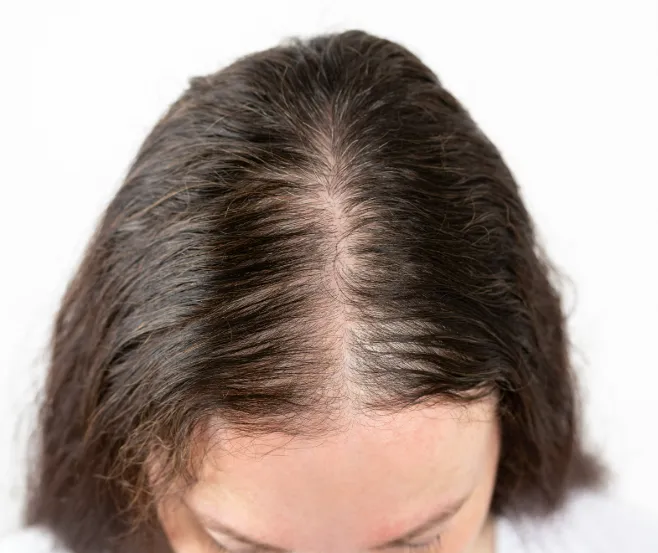
Seeing strands of hair on your brush or shower floor can feel worrying, but shedding is a natural part of the hair growth cycle. The key is knowing what qualifies as normal hair fall and when it might signal an issue that deserves attention.
The Natural Hair Cycle
Each hair strand follows a repeating pattern that consists of three main stages:
- Growth phase (Anagen): This period can last several years, during which hair actively grows from the follicle.
- Transition phase (Catagen): A short stage lasting just a few weeks when growth stops, and the strand detaches from its blood supply.
- Resting phase (Telogen): Lasting around three to four months, the hair eventually sheds to make space for a new one.
On average, most people lose between 50 to 100 hairs daily. Shedding more than that may be linked to stress, nutrient deficiencies, hormonal fluctuations, or underlying health conditions. When the body lacks the resources to properly support hair follicles, thinning, slow regrowth, and noticeable loss can occur.
Common Triggers of Excessive Shedding
While occasional increased shedding can be temporary, several factors may contribute to more noticeable loss:
- Stress: Elevated stress hormones can push more hairs into the shedding phase.
- Nutrient gaps: Missing vitamins and minerals weaken hair structure and resilience.
- Hormonal changes: Life stages such as pregnancy, menopause, or thyroid imbalances often affect hair growth patterns.
- Medical conditions: Autoimmune disorders, alopecia, or chronic illnesses can influence follicle health.
- Styling habits: Frequent heat use, chemical treatments, or tight hairstyles may cause breakage and thinning.
These influences disrupt the balance of the growth cycle, making it important to identify the root cause.
Key Nutrients for Stronger Hair
Nourishing the body plays just as important a role as topical care. Several nutrients are known to support healthier, denser hair:
- Biotin: Helps produce keratin, a protein essential for hair structure.
- Zinc: Supports follicle function and reduces thinning.
- Iodine: Vital for thyroid health, which regulates hair growth.
- Pea sprout extract: Found in modern supplements, it has been shown to extend the growth phase and decrease daily shedding.
- Traditional botanicals: Ingredients such as biota, long used in herbal medicine, are believed to strengthen follicles and encourage regrowth.
By combining a nutrient-rich diet with targeted supplementation, it’s possible to improve both scalp health and hair density over time.
When to Get Professional Guidance
If shedding becomes excessive, it’s worth seeking medical advice. A professional can help identify whether the cause is nutritional, hormonal, or related to another health condition. Early intervention makes it easier to restore balance and protect long-term hair health.
Tips for Supporting Healthy Hair Growth
Beyond supplements and medical support, small daily habits can make a big difference:
- Eat balanced meals rich in protein, healthy fats, and essential amino acids.
- Stay hydrated to maintain scalp moisture.
- Use gentle shampoos and conditioners that nourish instead of strip natural oils.
- Practice stress management with exercise, meditation, or mindfulness.
A certain level of hair fall is a natural part of life, but learning the difference between normal shedding and excessive loss allows you to take proactive steps. With the right balance of nutrition, gentle care, and lifestyle adjustments, you can create a healthier foundation for strong, resilient hair.