
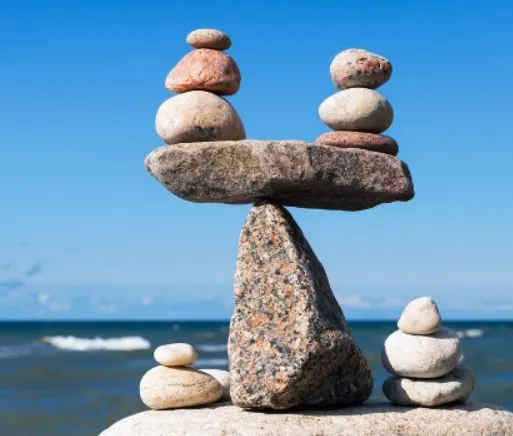
Achieving mental wellness involves balancing all areas of life—physical, emotional, social, financial, and spiritual. It’s an ongoing process that can sometimes feel challenging, but maintaining equilibrium in these aspects is essential for overall well-being. Life’s natural ups and downs may throw us off balance at times, but learning how to regain our footing is key to staying mentally healthy.
Here are some strategies for cultivating a balanced, fulfilling life.
Building Healthy Self-Esteem
Self-esteem is about recognizing both your strengths and weaknesses. It’s about accepting yourself as you are and doing your best with what you have. For instance, you might not be a tennis pro, but you can still enjoy the game. Self-esteem involves acknowledging your abilities while understanding your limitations.
To boost your confidence, start by reflecting on your strengths. What do you excel at? What skills make you feel proud? Now, consider areas where you struggle. Embrace these weaknesses as part of your growth journey, and don’t let them define you. Remember, everyone has strengths and weaknesses, and it’s how we navigate both that shapes our self-esteem.
Learn to Receive Compliments
Many people have trouble accepting compliments, often brushing them off or deflecting praise. It’s important to practice accepting kind words with grace. Next time someone offers you a compliment, simply say “thank you” and appreciate the positive feedback. It can make you feel good and help you develop a more positive self-view.
Cultivate Positive Relationships
Healthy relationships are a cornerstone of mental well-being. Whether they are family or friends, these connections provide us with support and happiness. To strengthen relationships with your loved ones, carve out time to spend together—both in serious discussions and in fun activities. Practice active listening and always make room for one another’s perspectives.
Building lasting friendships is also important. Make an effort to stay in touch with close friends and don’t shy away from meeting new people. A simple lunch date or inviting a friend to bring someone new can lead to wonderful new connections.
Identify Your Priorities
In today’s world, it’s easy to get caught up in the pressure of consumerism. Advertisements push us to believe that we “need” more things than we truly do. To maintain balance, it’s important to differentiate between actual needs—like food, shelter, and transportation—and wants, such as the latest gadgets or luxury items.
Creating a realistic budget can help you keep your spending in check. Plan for both necessities and occasional treats, but avoid falling into the trap of overspending. Financial stability can significantly reduce stress, so knowing where your money goes is crucial.
Get Involved in Meaningful Activities
Engagement in activities that matter to you can provide a sense of purpose and fulfillment. Whether it’s volunteering, mentoring, or simply helping a neighbor, these activities allow you to make a difference in the lives of others while enriching your own.
Volunteering at a local library, helping at a community garden, or serving at a charity are all ways to give back. Remember, no act is too small, and each contribution helps build a stronger community.
Managing Stress
Stress is inevitable, but how you respond to it matters. Balancing work, family, and personal time can be tricky, and it requires a conscious effort to manage stress. Time management and staying calm under pressure are essential skills for coping with life’s challenges.
Taking short breaks during the day can also help reduce stress. A quick mental escape—whether it’s a short walk or simply closing your eyes for five minutes—can give you the recharge you need to tackle the day’s tasks.
Coping with Life’s Changes
Change is a part of life. Whether it’s a career shift, family changes, or health issues, dealing with unexpected events can be stressful. The key is to remain flexible and learn how to manage these transitions.
Consider joining a support group or forming one with people facing similar challenges. Sharing your experience with others who understand can provide fresh perspectives and emotional relief.
Express Your Emotions
Expressing emotions in a healthy, constructive way is vital for mental health. Anger, sadness, joy, and fear are all natural emotions, but it’s important to deal with them appropriately. Identify what triggers different emotions and find ways to cope.
Physical activities, like walking or exercising, can help manage anger. Talking with a trusted friend or indulging in a favorite hobby can help you process other emotions. Laughing at funny videos or reading humorous stories can lighten the mood when you need a pick-me-up.
Develop a Spiritual Practice
Having a sense of spirituality—whether through religion, personal reflection, or meditation—can help bring peace and clarity. It’s important to connect with your inner self and align your actions with your values. A spiritual practice provides grounding and can help you navigate life’s challenges with a calm and centered approach.
Dedicate time to quiet moments of reflection, whether it’s through meditation, prayer, or simply being present in nature. Engage in activities that nourish your soul, whether it’s dancing, gardening, or spending time with loved ones.
By focusing on these key areas—self-esteem, relationships, priorities, involvement, stress management, emotional expression, and spirituality—you can maintain a balanced and mentally healthy life, no matter what challenges come your way.