
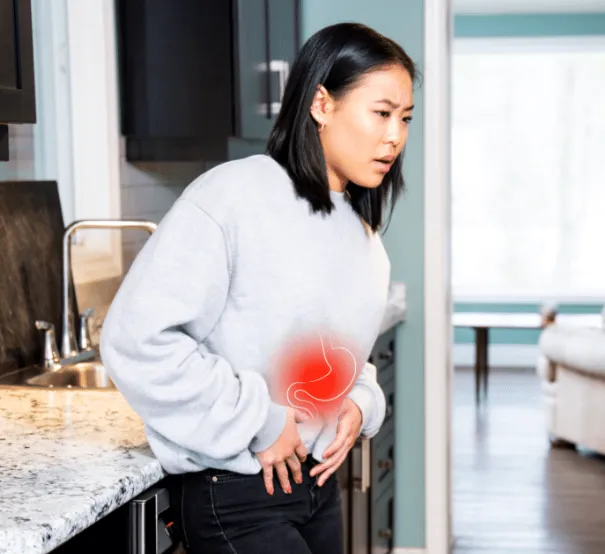
Bloating is a common digestive discomfort that many of us experience at some point. While eating is an essential part of daily life, sometimes our digestive system doesn’t respond as we’d like, leading to that uncomfortable feeling of fullness or tightness in the stomach. If you’ve ever experienced bloating, you’re not alone. In this guide, we’ll explore the common causes of bloating and provide expert-backed tips on how to get rid of it through diet, lifestyle changes, and supplements.
What is Bloating?
Bloating refers to the sensation of a full or swollen stomach, often accompanied by tightness and discomfort. It usually happens after eating and is commonly associated with an excess of gas, liquids, or food in the digestive system. Bloating can be caused by various factors, including the type of food you eat, the speed at which your digestive system processes food, or underlying health conditions. Common symptoms of bloating include abdominal cramps, burping, constipation, and diarrhea.
Common Causes of Stomach Bloating
Understanding the root causes of bloating is essential for effectively managing and preventing it. Here are the most common reasons why your stomach may become bloated:
- Excessive Gas and Flatulence
The most common cause of bloating is the buildup of gas in the digestive system. Flatulence occurs when air is swallowed during eating, or when gut bacteria break down food, particularly high-fiber foods, releasing gas. Although passing gas is a normal bodily function, excessive gas can lead to discomfort and bloating. In some cases, conditions like lactose intolerance and irritable bowel syndrome (IBS) can exacerbate gas production, making bloating more frequent and uncomfortable.
- Irritable Bowel Syndrome (IBS)
IBS is a common digestive disorder that affects the large intestine. It can cause symptoms such as abdominal pain, bloating, constipation, and diarrhea. Women are more likely to experience IBS than men. The exact cause of IBS isn’t fully understood, but it may be triggered by stress, infections, or specific foods. Unlike bloating caused by excessive gas, IBS-related bloating is often linked to abnormal movements of food and waste through the digestive tract.
- Constipation
When bowel movements become infrequent or difficult to pass, constipation can occur, leading to bloating. This happens when stools become dry and hard, making it challenging to eliminate waste from the body. Constipation can result from a lack of fiber in the diet, dehydration, lack of physical activity, or certain medications. In addition to bloating, constipation can cause discomfort and a sensation of incomplete bowel movements.
- Small Intestinal Bacterial Overgrowth (SIBO)
SIBO occurs when excessive bacteria grow in the small intestine, where they normally don’t reside. This condition can result from factors like previous intestinal surgery, IBS with diarrhea, or slow digestive transit. SIBO leads to bloating, abdominal pain, nausea, and unintentional weight loss. It can also cause diarrhea and a feeling of fullness after eating, similar to the bloating caused by other digestive disorders.
- Hormonal Changes
For women, hormonal fluctuations during menstruation, pregnancy, or menopause can cause bloating. Hormones such as estrogen and progesterone can alter fluid retention and digestive function, leading to temporary bloating and discomfort.
- Stress
When you’re stressed, your body releases hormones that can disrupt digestive function, slow down the process of digestion, and cause bloating. Stress may also affect the balance of gut bacteria, leading to digestive issues like bloating, constipation, or diarrhea.
- Gluten Sensitivity
People with gluten intolerance or celiac disease experience inflammation in the small intestine when they consume gluten. Gluten is a protein found in wheat, barley, and rye. Symptoms of gluten sensitivity can include bloating, diarrhea, constipation, abdominal pain, and nausea. Non-digestive symptoms like joint pain, irritability, and skin rashes can also occur in some individuals.
- Certain Foods
Some foods are known to cause bloating due to their high content of fiber, sugar, or FODMAPs (Fermentable Oligosaccharides, Disaccharides, Monosaccharides, and Polyols). These include:
- Beans
- Broccoli
- Cabbage
- Cauliflower
- Onions
- Garlic
- Dairy products
Carbonated drinks and salty or processed foods may also contribute to bloating. Eating too quickly and swallowing air can lead to gas buildup, exacerbating bloating.
How to Get Rid of Bloating
The best way to manage and reduce bloating depends on the underlying cause. However, there are general strategies you can adopt to relieve bloating and prevent it from occurring in the future. Here are some tips that can help:
1. Increase Fiber Intake
If constipation is contributing to your bloating, increasing your fiber intake can help your digestive system function more efficiently. Fiber adds bulk to stools, making it easier for them to pass through the digestive tract. Aim to consume 25-30 grams of fiber per day. Foods rich in fiber include fruits, vegetables, legumes, whole grains, and seeds. However, if you’re transitioning to a high-fiber diet, do so gradually to avoid excessive gas and bloating.
2. Stay Active
Physical activity plays a significant role in digestive health. Regular exercise can help stimulate bowel movements and alleviate constipation. Activities like walking, yoga, or cycling can improve gut motility, reducing bloating. Aim for at least 20-30 minutes of moderate exercise several times a week.
3. Avoid Gas-Producing Foods
Certain foods are known to produce excessive gas in the digestive system. These foods include beans, broccoli, cabbage, cauliflower, onions, and dairy products. Reducing your intake of these foods, especially if you’re sensitive to them, can help reduce bloating. You can also try eating smaller portions and avoiding foods that contain high FODMAPs if you’re prone to bloating.
4. Consider Probiotics
Probiotics are live bacteria that can help restore the balance of gut flora and promote healthy digestion. Taking a probiotic supplement or consuming probiotic-rich foods like yogurt, kefir, sauerkraut, and kombucha may help improve gut health and reduce bloating. Probiotics are particularly helpful after taking antibiotics, which can disrupt the natural balance of bacteria in your gut.
5. Stay Hydrated
Drinking plenty of water is essential for digestion and can help prevent constipation, which is a common cause of bloating. Water helps to soften stools, making them easier to pass through the digestive tract. Aim for at least 8 cups of water per day, and more if you’re active or living in a hot climate.
6. Reduce Stress
Managing stress is crucial for digestive health. Practice relaxation techniques like deep breathing, meditation, or yoga to reduce stress levels. This can help support healthy digestion and prevent bloating caused by stress-induced changes in the gut.
7. Take Gut-Supporting Supplements
Certain vitamins and minerals may support digestive health and help reduce bloating. For instance, zinc plays a vital role in gut health, while curcumin (found in turmeric) has anti-inflammatory properties that can benefit digestive function. Adding these supplements to your routine, along with a balanced diet, may improve bloating and overall digestive well-being.
Conclusion
Bloating is a common but uncomfortable digestive issue that can affect anyone. By understanding the causes of bloating and making changes to your diet, exercise routine, and stress levels, you can manage and reduce this discomfort. Incorporating fiber, staying hydrated, avoiding trigger foods, and adding gut-supporting supplements like probiotics can go a long way in promoting healthy digestion and preventing bloating.