
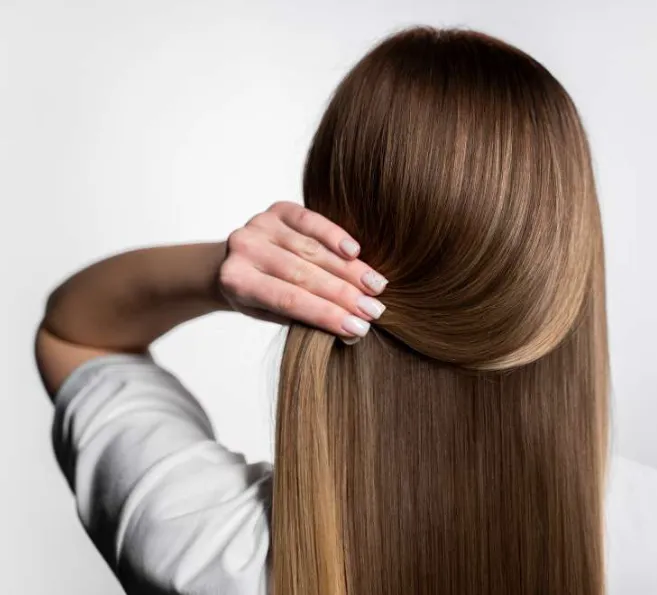
For many of us, the dream of longer, thicker hair can feel just out of reach. Whether you’re growing out a short cut, recovering from damage, or simply wanting to boost fullness, it’s common to wonder if there’s a way to make hair grow faster. The truth is, hair growth is a steady biological process that doesn’t respond to quick fixes. However, the choices you make every day—what you eat, how you manage stress, and the way you care for your scalp—can significantly influence how healthy and resilient your hair becomes.
While you can’t magically double your hair growth overnight, you can create the conditions that allow your strands to thrive. Think of it like cultivating a garden: the soil, nutrients, and care all work together to determine how well your plants grow. In the same way, a balanced approach to health and self-care sets the stage for stronger, faster-growing hair. Let’s explore the key areas that make the biggest difference.
1. Nutrition: Fueling Hair From the Inside
Your diet is one of the most powerful tools you have for supporting growth. Hair is primarily composed of keratin, a protein, so eating sufficient protein is essential. Lean meats, fish, eggs, legumes, and dairy provide the raw materials your follicles need to build strong strands.
Beyond protein, other nutrients play a crucial role.
- Iron and zinc help deliver oxygen to hair follicles and support follicle repair.
- B vitamins, especially biotin, are vital for energy production and keratin formation.
- Vitamin C supports collagen production, which strengthens hair and aids iron absorption.
- Omega-3 fatty acids, found in foods like salmon, flaxseeds, and walnuts, help keep the scalp hydrated and reduce inflammation.
Filling your plate with colorful fruits, leafy greens, nuts, seeds, and whole grains ensures your hair receives a wide range of vitamins and minerals. Over time, this internal nourishment reflects in stronger, shinier strands.
2. Caring for the Scalp: The Foundation of Growth
It’s easy to forget that the scalp is living skin, and just like your face, it needs care to stay healthy. Poor scalp circulation or buildup of oil and product can interfere with follicle function, slowing down growth.
Regular scalp massages can make a noticeable difference. Using gentle circular motions with your fingertips encourages blood flow, which carries oxygen and nutrients directly to the roots. Incorporating a lightweight oil—such as jojoba, argan, or rosemary oil—once or twice a week can add an extra boost. Rosemary oil in particular has gained attention for its potential to support growth by stimulating follicles.
Keeping the scalp clean is equally important. Choose mild shampoos that cleanse without stripping natural oils, and avoid heavy styling products that clog pores. A balanced scalp environment gives new hair the best chance to grow.
3. Managing Stress: Protecting the Growth Cycle
Stress isn’t just a mental or emotional burden—it can physically impact hair. Elevated cortisol levels interfere with the hair growth cycle, sometimes pushing more strands into the shedding phase. This is why periods of high stress often coincide with increased hair loss.
Finding healthy outlets for stress is essential. Activities like yoga, walking, meditation, or even journaling can lower cortisol and restore balance to your body. Quality sleep is equally critical—your body repairs itself at night, and that includes your hair follicles. By prioritizing relaxation and rest, you not only improve your well-being but also create a healthier environment for hair growth.
4. Supporting Overall Health
Hair doesn’t exist in isolation—it reflects your body’s overall condition. Hormonal changes, thyroid imbalances, or deficiencies in key nutrients can all affect growth. For example, low thyroid hormone levels may slow the rate of growth, while deficiencies in iron or B vitamins can lead to thinning and brittleness.
Taking a holistic view of health makes a big difference. Ensure you’re drinking enough water, moving your body regularly, and eating a balanced diet. Even moderate exercise improves circulation, ensuring your hair follicles get the nutrients they need.
5. Supplements: Extra Support When Needed
While food should always be the first source of nutrition, supplements can be helpful when diet alone isn’t enough. Look for formulas that combine essential vitamins and minerals with plant-based extracts known to support hair health.
Beneficial components to watch for include:
- Biotin, to strengthen keratin and improve resilience.
- Pea sprout extract, which research suggests can extend the growth phase of hair.
- Adaptogens, such as ashwagandha or shatavari, to help the body adapt to stress.
- Iodine and selenium, which contribute to balanced thyroid function.
The key is choosing supplements that take a comprehensive approach, addressing stress, hormone balance, and follicle nutrition rather than relying on a single ingredient.
6. Patience and Consistency: The Secret Ingredient
Perhaps the hardest part of growing hair is waiting. On average, hair grows about half an inch per month. While this may feel slow, steady progress adds up over time. The most effective strategies are not quick fixes but daily habits that support your health and hair in the long run.
Consistency is everything. Eating balanced meals, managing stress, maintaining scalp health, and taking supportive supplements (if needed) will, over time, lead to noticeable improvements. Think of your routine as an investment—every small, steady action contributes to stronger, faster-growing hair.
The Bottom Line
You may not be able to drastically speed up the natural rate of hair growth, but you can create the best possible environment for your hair to flourish. Through nourishing nutrition, scalp care, stress management, overall wellness, and consistent routines, your strands have the foundation they need to grow strong and healthy.
Patience is essential, but the reward is worth it: fuller, more resilient hair that reflects the effort you’ve put into caring for yourself inside and out.