
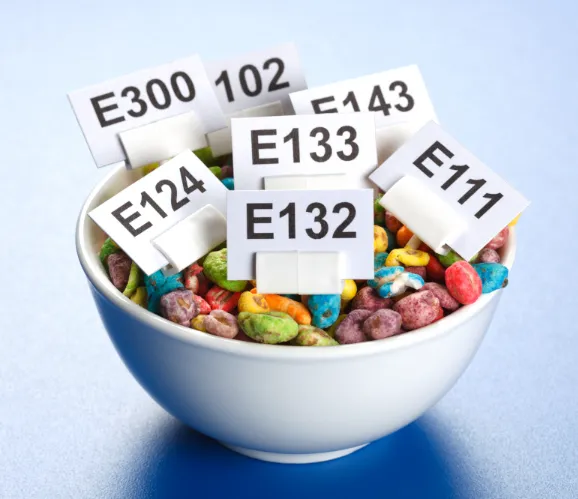
When it comes to eating healthier, food additives are often one of the first things people worry about. They’re commonly blamed for being “unnatural” or unhealthy, but the story isn’t quite that simple. While some additives deserve scrutiny, many are harmless—and in some cases, even essential. To really understand whether additives are harmful, it’s important to look at what they are, why they’re used, and how they affect our health.
What Are Food Additives and Why Do We Use Them?
Food additives are substances that are added to products during processing, packaging, or storage. Their purpose varies: some make food taste better, some keep food fresh for longer, and others improve texture or safety. In fact, many additives are things we use in home cooking every day. Sugar, salt, vinegar, and baking powder are all considered additives when used in packaged foods.
The average American consumes about 140 to 150 pounds of food additives each year. That might sound shocking, but it doesn’t mean we’re all eating hundreds of pounds of artificial preservatives. Much of this number includes everyday staples such as salt, yeast, and seasonings. Even something as simple as instant oatmeal may contain flavor enhancers or spices that fall into the additive category.
Some of the most common roles additives play include:
- Improving taste and appearance (such as food coloring, spices, or flavor extracts)
- Speeding up preparation (for example, leavening agents in baked goods)
- Keeping food fresh (antioxidants and preservatives to prevent spoilage)
- Protecting against harmful bacteria (like nitrites in cured meats)
In many cases, additives make food safer and reduce waste by extending shelf life. Without them, many products would spoil quickly or lose their flavor and texture before reaching your plate.
When Additives Can Be Harmful
Of course, not all additives are entirely risk-free. For some people, certain preservatives, dyes, or flavor enhancers can trigger allergic reactions or sensitivities. More commonly, overconsumption of additives tied to salt, sugar, or fat can create long-term health concerns.
For example, additives containing high levels of sodium—like monosodium glutamate (MSG) or sodium nitrate—can contribute to high blood pressure. This poses a particular risk for individuals with heart disease or those already managing hypertension.
Artificial flavors, sweeteners, and emulsifiers have also raised questions among health experts. While they are generally recognized as safe in moderate amounts, excessive use may impact the body in ways researchers are still studying.
Red-Flag Additives Worth Watching
Although most additives serve a clear purpose, there are a few that deserve closer attention.
- Artificial Sweeteners: Found in products such as diet soda, sugar-free snacks, and low-calorie desserts, artificial sweeteners like sucralose or aspartame may confuse the body’s natural signals of hunger and fullness. Some studies suggest that consuming them regularly might increase cravings, potentially leading to weight gain rather than preventing it.
- Fully Hydrogenated Oils: Unlike trans fats, which have been banned in many countries, fully hydrogenated oils are still used in processed foods, including spreads and packaged desserts. While they don’t carry the exact same risks as trans fats, they often come paired with high levels of saturated fats, which can raise cholesterol and negatively affect cardiovascular health.
- Highly Processed Ingredients: Many ultra-processed foods contain multiple additives—from preservatives to flavor enhancers—that, while safe individually, can add up when consumed frequently. Frozen meals, packaged snack cakes, and sugary beverages are some of the most common sources.
Balancing Awareness with Perspective
The presence of additives in food doesn’t automatically make it “bad.” After all, many natural ingredients we consume daily—like salt and vinegar—are technically additives. The problem arises when diets rely heavily on ultra-processed foods loaded with additives that bring more sodium, sugar, and fat than nutrition.
Instead of trying to avoid every additive, a more practical approach is to focus on moderation and awareness. Reading ingredient labels can help you understand what’s in your food and spot any additives you might want to limit. Cooking more meals at home with whole ingredients also naturally reduces your intake of unnecessary additives.
Final Thoughts
Food additives have been part of our diets for centuries, from simple salt curing to modern preservatives. While a handful raise health concerns if overused, most are safe and even beneficial when used properly. The key is balance: enjoy convenience when you need it, but prioritize fresh, minimally processed foods whenever possible. By doing so, you can keep additives in perspective while still enjoying a wide variety of flavors and foods.
Autumn might bring pumpkin spice flavoring and bright food dyes to your local grocery shelves, but it’s worth remembering that not every additive is harmful. With a little knowledge and some label reading, you can enjoy both safety and flavor without unnecessary worry.