
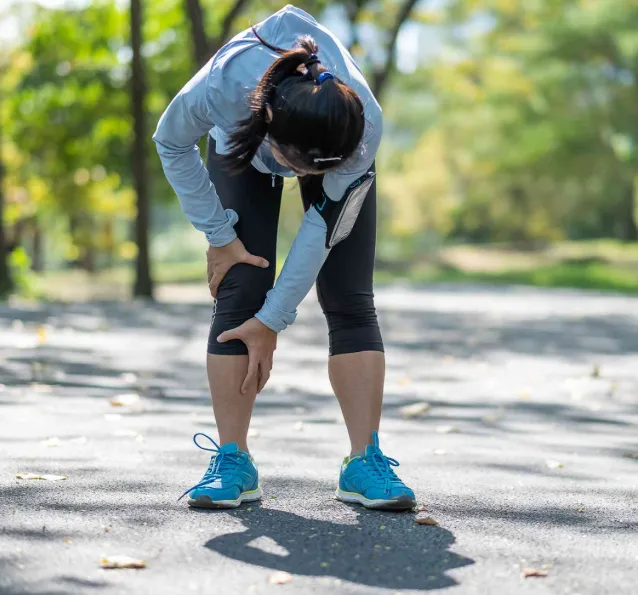
For runners, knee joint pain can often be a major obstacle, preventing them from reaching their fitness goals. Whether it’s a sudden ache or chronic discomfort, knee pain affects many, and understanding the causes and preventive measures is key to managing it. Chronic knee pain can be linked to a variety of factors such as overuse, injury, and underlying medical conditions. In this post, we’ll explore some practical steps you can take to prevent knee pain and keep running comfortably.
What Causes Knee Pain?
Knee pain can stem from various sources, including injuries, medical conditions, or repetitive stress. Common knee injuries include ligament tears, meniscus damage, or dislocation. Conditions like osteoarthritis, rheumatoid arthritis, and gout can also contribute to knee pain. Other times, chronic conditions like bursitis or patellofemoral pain syndrome can be the culprits. Sometimes, pain that starts elsewhere, such as the hip or spine, can radiate to the knee, which is known as referred pain.
Who Is Most at Risk for Knee Pain?
Some people are more prone to knee pain than others. Those who are overweight or have a history of knee injuries are at higher risk. Individuals with physically demanding jobs or those who frequently lift heavy loads may also experience knee pain. Additionally, older adults and women tend to have a higher prevalence of knee issues.
Symptoms of Knee Pain
If you’re experiencing knee pain, you might notice symptoms such as:
- Difficulty straightening your knee
- Clicking or popping sounds
- Knee instability or a feeling that the knee might give way
- Swelling, redness, or bruising
- Heat around the knee area
If these symptoms persist for several days or don’t improve with rest, it’s best to consult with a healthcare professional.
Preventing Knee Pain as a Runner
There are many ways runners can reduce the risk of knee pain. By making thoughtful changes to your routine, you can prevent long-term damage and continue to run pain-free. Here are some tips to help protect your knees:
1. Choose the Right Running Surface
While the debate about the best surface for running continues, running on softer surfaces like grass or dirt can help reduce knee strain. Hard surfaces, like concrete, can put extra stress on your knees, so consider mixing up your running routes and trying different surfaces to see what feels best for you.
2. Exercise Moderately
While regular exercise is essential to strengthen the muscles around your knees, overdoing it can lead to overuse injuries. Aim for a balanced routine with sufficient rest periods to avoid stress on the knees. Incorporating other low-impact activities, like swimming or yoga, can help with muscle strengthening and flexibility without putting extra pressure on the joints.
3. Maintain a Healthy Weight
Excess weight places added stress on the knee joints. Maintaining a healthy weight can reduce the load on your knees, lowering the risk of pain and long-term damage. A combination of balanced eating and regular exercise will help you stay within a healthy weight range.
4. Add Vitamin C to Your Diet
Vitamin C plays a crucial role in joint health. It’s an antioxidant that supports the body’s production of collagen, which is essential for maintaining healthy cartilage and reducing inflammation. Include vitamin C-rich foods, such as citrus fruits, strawberries, and broccoli, in your daily meals to help support your knees.
5. Strengthen Your Bones
Having strong bones is just as important as building strong muscles for knee health. Ensure you’re getting enough calcium and vitamin D in your diet. Calcium-rich foods like dairy products, leafy greens, and fortified plant milks will help keep your bones strong. Consider supplements like calcium if you don’t consume enough through your diet.
6. Use “RICE” for Recovery
If you experience any knee discomfort, it’s essential to follow the “RICE” method—rest, ice, compression, and elevation. Rest the knee to avoid further strain, apply ice to reduce swelling, use compression to stabilize the knee, and elevate it to encourage fluid drainage.
7. Wear the Right Footwear
Your shoes play a big role in preventing knee pain. Poor footwear can contribute to improper alignment, leading to joint strain. For added support, consider using insoles or orthotics, especially if you have flat feet or high arches. Proper footwear will help reduce the impact on your knees while running.
Supplement Support for Joint Health
In addition to diet and exercise, certain supplements may help support your joints and alleviate knee pain. Here are some to consider:
- Glucosamine and Chondroitin: These supplements have been shown to reduce pain and inflammation in individuals with knee pain.
- Omega-3 Fatty Acids: Omega-3s, found in fish oil supplements, may help reduce joint stiffness and improve mobility.
- Curcumin: This active ingredient in turmeric has anti-inflammatory properties that may help reduce knee pain caused by inflammation.
Conclusion
Knee pain is a common issue among runners, but with the right preventive measures, you can keep your knees strong and pain-free. By considering factors like your running surface, exercise routine, weight management, and proper footwear, you can significantly reduce the risk of knee pain. Additionally, strengthening your muscles, maintaining bone health, and adding supportive vitamins and supplements to your diet can further protect your knees. If you do experience persistent knee pain, it’s important to consult with a healthcare professional to determine the best course of treatment.