
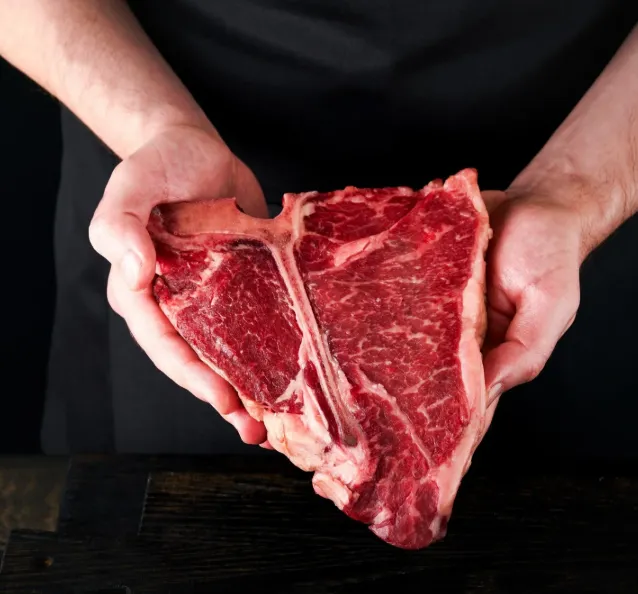
When we sit down to eat, it’s easy to think our choices affect only ourselves. But every meal sends ripples far beyond our plate. Choosing meat can fuel an industry tied to chronic illness, environmental destruction, and animal suffering. Understanding these consequences may make us look differently at what we order next time.
What Counts as Meat?
Meat refers to the edible parts of animals, including muscle, organs, and processed scraps. This category covers:
- Red meat: beef, lamb, pork, goat, and similar mammals.
- White meat: poultry like chicken, turkey, and duck, as well as fish in some classifications.
- Processed meat: items preserved or flavored through smoking, curing, or salting, such as bacon, sausages, and deli meats.
While meat does contain protein, fat, and certain nutrients like iron and B vitamins, all of these can be sourced from plants without the negative trade-offs.
The Health Concerns Linked to Meat
Cancer Risk
The World Health Organization has linked processed meats to cancer, and red meat is considered likely carcinogenic. Cooking meat at high temperatures, like frying or grilling, creates harmful compounds that may also increase cancer risk. By contrast, diets rich in vegetables, fruits, and legumes have been associated with reduced cancer incidence.
Heart Disease
Heart disease and stroke remain the leading causes of death in the U.S. Studies consistently show that people who eat more fruits and vegetables significantly lower their risk of cardiovascular problems. A plant-based diet rich in whole foods provides natural protection for heart health.
Type 2 Diabetes
Eating meat regularly has been tied to higher rates of type 2 diabetes. Even small portions of processed meat have been shown to raise the risk. Plant-based eating, however, has been proven to help manage blood sugar and can even reverse type 2 diabetes in some cases.
Foodborne Illnesses
Animal products are a common source of food poisoning, with bacteria such as salmonella and E. coli causing millions of illnesses each year. Outbreaks like mad cow disease and avian flu remind us that meat can also be a source of global health crises.
Antibiotics and Hormones
To keep animals alive in overcrowded farms, massive amounts of antibiotics are used. This practice fuels antibiotic resistance, a growing public health emergency. Growth hormones, commonly given to cattle in the U.S., add another layer of concern.
Other Health Effects
The same arterial damage that increases the risk of heart disease may also contribute to erectile dysfunction. Research also suggests that higher meat intake correlates with shorter life expectancy and increased risk of multiple non-cancerous diseases.
The Environmental Costs of Meat
Deforestation
Raising livestock demands enormous amounts of land, often driving deforestation in the Amazon and other sensitive regions. Forest loss destroys wildlife habitats, displaces communities, and accelerates climate change.
Greenhouse Gases
Animal farming produces more greenhouse gas emissions than all global transportation combined. Methane from livestock is especially destructive, trapping heat far more effectively than carbon dioxide. Scientists warn that reducing meat consumption is essential to curbing climate breakdown.
Water Waste
Animal agriculture consumes a staggering share of the world’s freshwater. While humans face increasing water shortages, enormous amounts are funneled into raising animals. Industrial pig farms, for example, can use as much water as a small city.
Inefficient Land Use
Livestock farming occupies over 80% of agricultural land yet provides less than a fifth of our calories. Shifting to plant-based diets would free up land, protect ecosystems, and feed more people using fewer resources.
Are Plant-Based Alternatives the Answer?
Plant-based proteins can absolutely be part of a healthy diet. Whole food options like beans, lentils, nuts, and seeds are nutrient-dense and linked to longer, healthier lives. Even modern meat alternatives can help ease the transition away from animal products, offering familiar flavors with far fewer downsides.
Building a Balanced Diet Without Meat
A diet rich in fruits, vegetables, legumes, whole grains, nuts, and seeds provides everything our bodies need—protein, fiber, healthy fats, and essential vitamins and minerals. Choosing plants not only supports personal health but also contributes to environmental sustainability.
Final Thoughts
The same food choices that reduce our risk of chronic disease also protect the planet and its animals. By filling our plates with plants, we nurture our health, safeguard natural resources, and create a more compassionate food system. What benefits us also benefits the world around us—and that’s a choice worth making.