
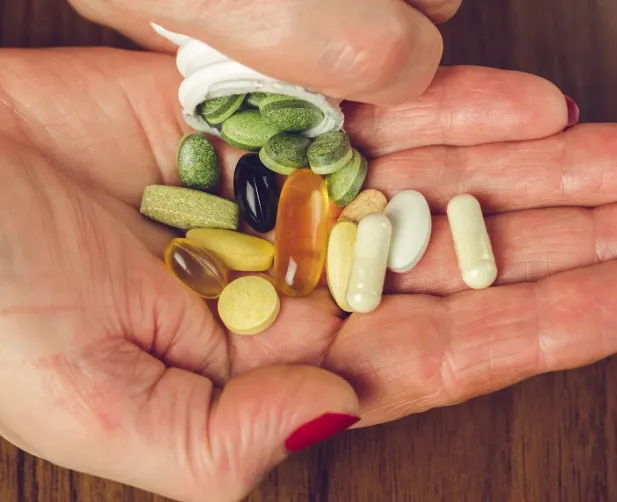
A common misconception about vegetarian and vegan diets is that you must rely heavily on supplements to stay healthy. However, this isn’t true—most of the essential nutrients you need can easily be found in plant-based diets, with the exception of vitamin B12.
What Is a Vegetarian?
A vegetarian is someone who avoids eating meat and fish but may still consume other animal products like dairy and eggs. Many people consider the vegetarian diet as a step toward the fully plant-based lifestyle of veganism, which eliminates all animal-derived foods. For some, adopting a vegetarian diet is a great way to ease into a vegan diet, and with resources like 7- and 30-day vegan challenges, transitioning to veganism has never been easier.
Types of Vegetarian Diets
There are various types of vegetarian diets, each with different allowances for animal products:
- Ovo-vegetarians: Eat eggs but avoid meat and dairy.
- Lacto-vegetarians: Consume dairy but avoid meat and eggs.
- Pescatarians: Not truly vegetarians, as they include fish in their diet.
- Flexitarians: Primarily plant-based but occasionally eat meat.
While these variations offer flexibility, the ultimate goal for many is to adopt a vegan lifestyle, which eliminates all animal products.
Is It Safe to Be Vegetarian or Vegan?
Yes, a vegetarian or vegan diet can be incredibly safe and even beneficial to health. In fact, plant-based diets are associated with a reduced risk of heart disease, type 2 diabetes, and certain types of cancer. A well-balanced whole food vegan diet can provide all the necessary vitamins and minerals, with the exception of vitamin B12, which can be sourced from fortified foods or supplements.
Can Pregnant People Be Vegetarian or Vegan?
Yes, it’s completely safe for pregnant individuals to follow a vegetarian or vegan diet. The American Dietetic Association affirms that well-planned vegetarian and vegan diets are nutritionally adequate for all stages of life, including pregnancy.
Are Vegetarian or Vegan Diets Safe for Children?
A plant-based diet is safe for children when properly planned. It’s essential to ensure that children get all the nutrients they need, and with proper planning, they can thrive on a vegetarian or vegan diet.
Key Nutrients to Focus On in a Vegetarian Diet
Vegetarians and vegans can get most of their required nutrients from plant-based foods. However, there are a few vitamins and minerals that require particular attention:
Vitamin B12
Vitamin B12 is the one nutrient that vegetarians and vegans typically need to supplement, as it’s only found naturally in animal products. While some bacteria in the soil can produce B12, it’s often easier to obtain it from fortified foods like plant milk, nutritional yeast, and tofu, or from supplements. Deficiency in B12 can lead to fatigue and weakness, so it’s essential to monitor intake.
Vitamin D
Vitamin D is necessary for bone health, but many people, especially those in areas with limited sunlight, may need to supplement it. If you live in a sunny area, getting outside in the sun for short periods can help your body produce vitamin D naturally. For those with limited sun exposure, foods like mushrooms and fortified plant milks are great alternatives.
Iron
Iron is vital for energy production and red blood cell function. Although vegetarians and vegans might face concerns about iron deficiency, many plant-based foods are rich in iron, such as leafy greens, beans, lentils, quinoa, tofu, and pumpkin seeds. Pairing these foods with vitamin C-rich options, like citrus fruits, helps boost iron absorption.
Calcium
Many people associate calcium with dairy, but there are plenty of plant-based sources available. Green leafy vegetables like kale, broccoli, and bok choy are high in calcium, as are legumes, almonds, and fortified plant milks. For those concerned about calcium intake, these options are an excellent choice.
Zinc
Zinc plays a key role in immune function and cell growth. Good plant-based sources include beans, lentils, nuts, seeds, and soy products like tofu and tempeh. Deficiency in zinc is rare, especially in a varied diet.
Omega-3 Fatty Acids
Omega-3s are well-known for their role in brain health and longevity. While these are commonly found in fish oils, plant-based sources include flaxseeds, chia seeds, walnuts, and seaweed. These sources provide the same beneficial omega-3 fatty acids without the need for fish.
Selenium
Selenium is a powerful antioxidant that supports the immune system. Brazil nuts are an excellent source of selenium—just one nut provides more than the daily requirement. Tofu, whole wheat pasta, and mushrooms are additional sources of selenium.
Magnesium
Magnesium helps regulate muscle and nerve function and is essential for bone health. Plant-based sources of magnesium include dark chocolate, avocados, bananas, and nuts. These foods are not only delicious but also provide a significant portion of the daily magnesium requirement.
Iodine
While iodine is typically found in dairy products, there are plant-based sources such as seaweed and iodized salt. Eating seaweed once a week or using iodized salt can help maintain adequate iodine levels.
How to Know If You Need to Take Supplements
If you’re concerned about nutrient deficiencies, the best way to know is by getting a blood test. A healthcare provider can assess if you’re lacking any specific vitamins or minerals. If deficiencies are detected, supplements can quickly restore optimal levels, but ideally, you should aim to get most of your nutrients from food. To be on the safe side, taking a daily vitamin B12 supplement can help ensure you’re meeting your nutritional needs.
What to Look for on Vitamin Labels
When choosing supplements, always check if they are vegan-friendly. Many vitamins are derived from animal sources, so look for plant-based options. Also, check whether the supplement is suitable for your specific needs, such as if you’re pregnant or have certain health conditions. Consult a doctor before adding new supplements to your routine, particularly in such cases.
Additionally, different forms of nutrients, such as calcium carbonate and calcium citrate, have varying benefits, so choose the one that best suits your body’s needs. Lastly, pay attention to the recommended dosage and whether the supplement should be taken with food to optimize absorption.
Conclusion
A vegetarian or vegan diet is a healthy and sustainable choice for most people, and supplements are only necessary if you have a deficiency. Vitamin B12 is the main nutrient that requires supplementation, and considering that many Americans take supplements regularly, it’s a small price to pay for a plant-based lifestyle. Listen to your body, and consult with a doctor if you’re concerned about a deficiency. A simple blood test can guide your dietary choices, and with proper planning, you can easily meet your nutritional needs on a plant-based diet.