
Iron is a vital mineral that keeps our bodies running smoothly. Without enough of it, we can feel drained, dizzy, or short of breath. Fortunately, a plant-based lifestyle provides plenty of ways to meet daily iron needs. Despite common myths, vegans are not more prone to deficiency than anyone else who eats poorly. With some mindful food choices, it’s easy to keep iron levels in check.
Why Iron Matters
Iron’s main role is supporting hemoglobin, the protein in red blood cells that carries oxygen throughout the body. When levels are low, oxygen delivery suffers, leaving us fatigued and struggling to concentrate. Iron also contributes to hormone balance, skin health, and even strong hair and teeth. Too little iron can affect both physical and mental well-being.
Do Vegans Struggle With Iron Deficiency?
While iron deficiency is common worldwide, it’s not unique to vegans. Anyone consuming a diet lacking in nutrient-dense foods is at risk. A balanced vegan diet, rich in whole plants, grains, legumes, and seeds, provides more than enough iron to stay healthy.
Signs of Low Iron
Common symptoms include tiredness, lightheadedness, headaches, pale skin, or feeling unusually cold. If these issues persist, a blood test can confirm whether iron deficiency is the cause.
Recommended Daily Intake
Most adults need between 8 and 18 milligrams of iron per day. People who menstruate, especially during pregnancy, should aim for the higher range to support increased needs.
How Vegans Can Improve Iron Levels
The key is variety and smart food pairing. Plant iron (non-heme iron) is absorbed more effectively when eaten with vitamin C-rich foods such as citrus fruits, bell peppers, or tomatoes. In some cases, supplements can help, but it’s important to check iron levels first, as excessive intake can be harmful.
10 Plant-Based Iron Sources to Add to Your Diet
- Leafy Greens
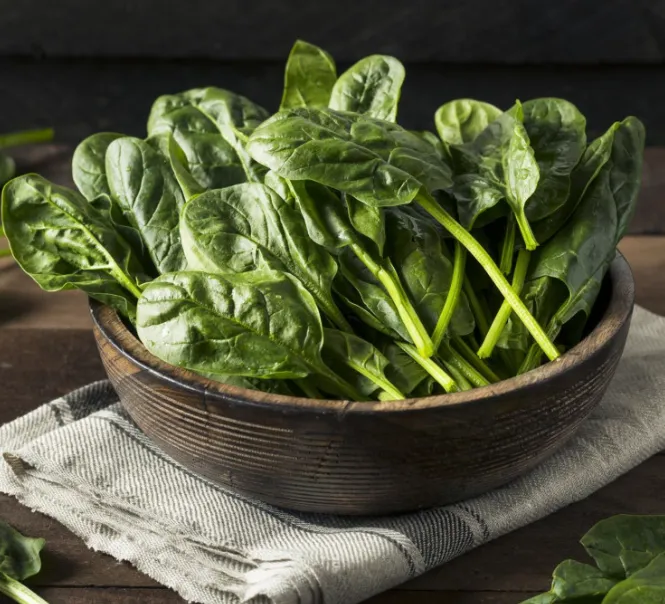
Spinach, kale, and other greens provide an excellent boost. A cup of cooked spinach delivers more than six milligrams of iron, making it an easy addition to soups, smoothies, or stir-fries. - Tofu and Tempeh
These soy staples are versatile, protein-packed, and contain around four to six milligrams of iron per half-cup serving. - Seeds
Pumpkin, hemp, sunflower, and flax seeds are nutrient-dense. Just a couple of tablespoons sprinkled on breakfast or salads can cover a quarter of daily iron needs. - Beans
Chickpeas, kidney beans, navy beans, and soybeans are reliable sources of iron as well as fiber and protein. - Whole Grains
Whole wheat pasta, oats, quinoa, and amaranth all provide a solid dose of iron while keeping meals hearty and satisfying. - Quinoa
This ancient grain offers both iron and complete protein. One cup of cooked quinoa can provide up to 30 percent of daily requirements. - Sun-Dried Tomatoes
Flavorful and nutrient-rich, half a cup of sun-dried tomatoes offers about 14 percent of the daily recommendation. - Tahini
Made from ground sesame seeds, tahini is a creamy spread full of iron. Combined with chickpeas in hummus, it becomes an even stronger nutritional powerhouse. - Potatoes
Potatoes, particularly with their skins on, supply a good amount of iron. Pair them with vitamin C-rich vegetables for maximum absorption. - Nuts
Cashews, almonds, macadamias, and pine nuts all add a useful iron boost. Nut butters are an easy way to enjoy them daily. - Lentils
One of the most iron-rich legumes, lentils provide about a third of daily iron needs in just one cup.
Tips for Better Absorption
- Pair with Vitamin C: Combine iron-rich foods with citrus, peppers, or berries.
- Choose Nutrient-Dense Plants: Dark leafy greens and cruciferous vegetables pack multiple nutrients in one serving.
- Cook Smart: Prepare meals with both iron and vitamin C sources, and save leftovers to spread the benefits across multiple meals.
- Be Patient: It can take time for dietary changes to reflect in energy levels, so consistency is key.
Conclusion
Iron deficiency should be taken seriously, but it is not an inevitable outcome of a vegan diet. By including a variety of iron-rich plant foods and pairing them with vitamin C, vegans can easily maintain healthy levels. With a thoughtful approach, it’s entirely possible to thrive on a diet that supports both personal health and the planet.