
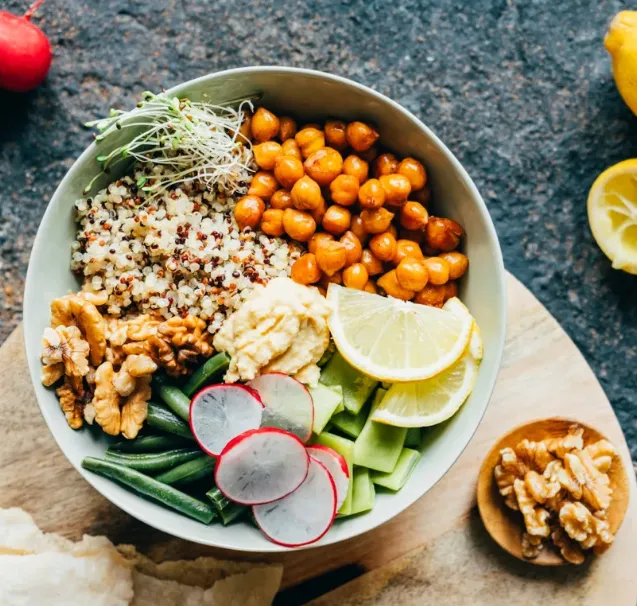
The myth that we need animal products to get enough protein has been debunked. In reality, there are numerous plant-based sources of protein that are not only healthier but also environmentally friendly and cruelty-free. If you’re looking for ways to boost your protein intake without relying on meat or dairy, here are 20 great plant-based sources of protein that can support your diet.
How Much Protein Do You Need?
The amount of protein a person needs varies depending on their goals and activity levels. For the average adult, the general recommendation is around 0.8 grams of protein per kilogram of body weight. However, rather than obsessing over exact measurements, focus on eating whole, plant-based foods. These foods not only provide protein but also come with added health benefits for you, the planet, and animals.
What Do Vegans Eat for Protein?
Vegans rely on a variety of plant-based foods to meet their protein needs. One of the greatest advantages of choosing plant protein is that it comes without the health risks tied to animal products. Studies show that processed meats increase the risk of cancer, while red meats, dairy, and eggs are linked to chronic diseases such as heart disease and diabetes. In contrast, plant-based proteins have been shown to lower health risks.
Let’s dive into the top vegan protein sources:
1. Soy
Soy is one of the most versatile sources of vegan protein, found in tofu, tempeh, and edamame. These soy-based products provide around 20 grams of protein per 100 grams and are rich in iron, calcium, and other vital nutrients. Despite some criticism related to deforestation, it’s essential to note that a significant portion of soy is actually grown to feed livestock, not for human consumption.
2. Beans
Beans are an excellent source of protein and come packed with other nutrients like fiber, iron, and potassium. Popular varieties like chickpeas, black beans, kidney beans, and pinto beans are protein-rich and can be used in countless dishes, from curries to soups.
3. Lentils
Lentils are a powerhouse of plant-based protein, offering 18 grams of protein per cup. They’re also high in fiber and low in fat, making them an ideal food for anyone looking to boost their protein intake without consuming excess fat. Try them in soups or stews for a hearty meal.
4. Seitan (Vital Wheat Gluten)
Seitan, made from wheat gluten, is another excellent protein source. With 25 grams of protein per 100 grams, seitan is an ideal meat substitute in vegan dishes like “fried chicken.” Its texture is surprisingly meat-like, making it a favorite among those transitioning to a plant-based diet.
5. Quinoa
This ancient grain is a complete protein, containing all nine essential amino acids. It offers about 10 grams of protein per cup and is also rich in magnesium, phosphorus, and iron. Quinoa is a versatile base for salads, bowls, and side dishes.
6. Chia Seeds
Chia seeds are packed with protein and other vital nutrients like omega-3 fatty acids, calcium, and antioxidants. Just a tablespoon adds 2 grams of protein, making them a perfect addition to smoothies or oatmeal.
7. Brown Rice
Brown rice, often overlooked as a protein source, is a great addition to a plant-based diet. It offers a modest amount of protein and is also high in fiber, making it a great base for many vegan dishes.
8. Mycoprotein
Mycoprotein, found in products like Quorn, is a fungal-based protein that closely resembles meat in texture. It’s high in protein and can be a great meat alternative in many dishes, although some versions contain egg whites, so check the ingredients if you’re following a strict vegan diet.
9. Potatoes
Potatoes may not be the first food that comes to mind when thinking of protein, but they do contain 4-5 grams of protein per cup. They also provide a wealth of other nutrients, making them a healthy addition to any meal.
10. Green Peas
Green peas are a protein-packed vegetable, offering around 10 grams of protein per cup. They are also a good source of fiber and can be added to dishes like stir-fries, curries, and salads.
11. Broccoli
Broccoli is often recognized for its vitamin content, but it’s also a decent source of protein. With about 5 grams per 100 grams, this vegetable should be a staple in any vegan diet.
12. Kale
This leafy green is a superfood, and in addition to its impressive nutrient profile, it also provides 5 grams of protein per 100 grams. Kale can be added to salads, smoothies, or stir-fries for a protein boost.
13. Vegan Protein Supplements
For those with higher protein needs, such as athletes, vegan protein powders are an excellent option. Look for powders that combine different plant-based proteins (like pea, rice, or hemp) to ensure you’re getting all essential amino acids.
14. Nutritional Yeast
Nutritional yeast, also known as “nooch,” is a popular vegan seasoning. It’s a complete protein and provides a cheesy flavor to dishes like pasta, soups, and salads. A 16-gram serving offers around 8 grams of protein.
15. Seaweed
Seaweed is more than just a sushi accompaniment; it’s a great protein source too. Just one tablespoon provides 4 grams of protein, making it an easy addition to soups, salads, and sushi rolls.
16. Spirulina
Spirulina, a type of blue-green algae, is an incredibly nutrient-dense food. Two tablespoons of spirulina contain 8 grams of protein, along with essential vitamins and minerals like magnesium and potassium.
17. Oats
Oats are an everyday food that also provide a solid amount of protein—around 5 grams per cup. For a protein-packed breakfast, combine oats with soy milk, chia seeds, and nuts.
18. Sweetcorn
Sweetcorn, often thought of as just a carbohydrate, actually contains 5 grams of protein per 100 grams. It’s also a versatile ingredient that can be added to salads, soups, or served as a side dish.
19. Fruits
While fruits aren’t typically high in protein, certain varieties, like guava, mulberries, and blackberries, contain a surprising amount. A cup of these fruits can provide 2-4 grams of protein.
20. Meat Substitutes
Some vegan meat substitutes, like Beyond Meat, are designed to mimic the taste and texture of meat. These products are made from plant-based proteins like pea, rice, and hemp, offering a complete protein source while being low in fat.
Why is Protein Important?
Protein is essential for building muscle, repairing tissues, and supporting various bodily functions. While animal products have long been marketed as the primary source of protein, plant-based options are just as effective, if not more so. Plus, plant proteins come without the environmental damage and ethical concerns associated with animal farming.
Plant Protein vs. Animal Protein
When it comes to health, the environment, and animal welfare, plant proteins are the clear winner. While animal proteins may contain all the essential amino acids, there are plenty of complete plant-based proteins that offer the same benefits. Foods like tofu, quinoa, and nutritional yeast provide all nine essential amino acids, making it easy for vegans to maintain a balanced diet.
A varied plant-based diet ensures that you get all the essential amino acids without needing to rely on animal products. It’s not necessary to combine proteins at every meal—by eating a range of plant-based foods throughout the day, you can easily meet all your protein needs.
Conclusion
As you can see, there are plenty of vegan sources of protein to choose from. The idea that meat, dairy, and eggs are the only reliable protein sources is simply a myth perpetuated by the animal agriculture industry. Plant-based proteins are not only just as effective, but they also come with the added benefit of being better for the environment and our health, all while avoiding the cruelty and suffering associated with animal products. So, whether you’re building muscle or just looking to maintain a balanced diet, you have plenty of plant-based options to meet your protein needs.