
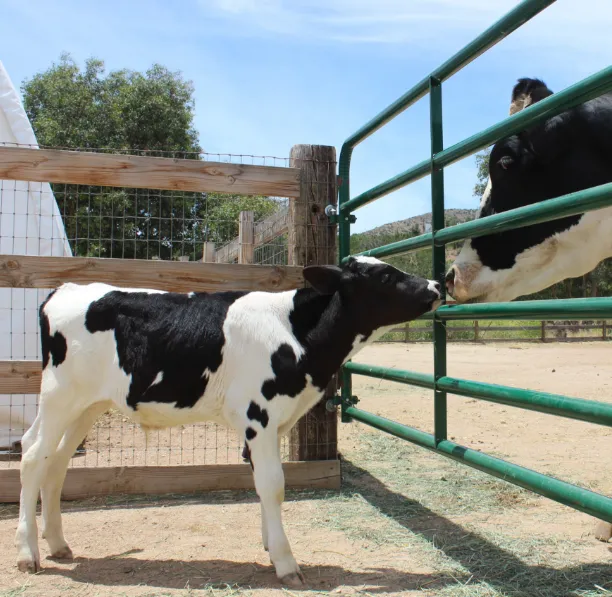
Veal is a type of meat that comes from young calves, often just a few weeks or months old. While it has long been considered a delicacy in certain countries, its production is steeped in controversy due to the suffering endured by the animals. The veal trade is closely tied to the dairy industry, as male calves born to dairy cows are frequently funneled into veal farming.
What Exactly Is Veal?
Veal is meat from calves that are typically slaughtered before reaching one year of age. Many are separated from their mothers shortly after birth, which causes distress to both mother and calf. Though consumption has declined in the United States and the United Kingdom, veal remains popular in parts of Europe, where millions of calves are killed annually for this purpose.
Types of Veal
Different categories of veal exist, each involving its own methods — none of which are humane.
- Rose Veal: Taken from calves over six months old who may have had some access to fiber in their diet, resulting in darker meat than the “white veal” younger calves provide.
- Bob Veal: Produced from calves slaughtered within their first month of life, sometimes only days after birth. These calves are often confined in restrictive crates, unable to move freely.
- Slink Veal: Perhaps the most disturbing, this meat comes from unborn or stillborn calves, usually taken from pregnant cows sent to slaughter. Though banned in many places, it has been produced in the past and highlights the extreme lengths some industries go to for profit.
How Veal Calves Are Treated
Life for veal calves is short and filled with hardship.
- Separation at Birth: Calves are removed from their mothers almost immediately, leaving both in distress.
- Transport Stress: Many are transported long distances to auctions or farms, often in harsh conditions that cause injury and fear.
- Confinement: Crates and barren pens prevent natural movement, exercise, or play. Some calves spend their lives in spaces so small they cannot even turn around.
- Slaughter: Calves are typically stunned before their throats are cut, but stunning methods often fail, leaving some fully conscious during slaughter.
Why Veal Is Considered Especially Cruel
The veal industry relies on practices that deliberately cause suffering. Cramped housing, limited diets lacking essential nutrients, and isolation lead to physical weakness, anemia, digestive problems, and psychological distress. Many calves are also heavily dosed with antibiotics due to their poor living conditions, which raises concerns about antibiotic resistance.
Abuse from workers has also been documented, adding another layer of cruelty to an already grim system. Ultimately, calves are treated not as living beings but as commodities whose worth lies in how tender and pale their flesh can be made.
Facts and Figures
- Europe consumes around 80 percent of the world’s veal, with France and the Netherlands among the largest producers.
- In the U.S., veal consumption is relatively low, though hundreds of thousands of calves are still slaughtered annually.
- Male calves not raised for veal often face two fates: they may be raised for beef, or, if considered unprofitable, they are killed shortly after birth.
Is Veal Really Healthier?
Some promote veal as a leaner alternative to beef, but it remains a form of red meat, high in cholesterol and associated with health risks such as heart disease and certain cancers. With the availability of plant-based proteins that are healthier and cruelty-free, veal becomes an even harder product to justify.
Final Thoughts
Veal is one of the clearest examples of unnecessary cruelty in the food system. The reality is stark: calves are taken from their mothers, denied the chance to live naturally, and slaughtered within months of being born. For most people, the idea of harming a baby animal in their own backyard would be unthinkable. Supporting veal production allows others to do just that on our behalf. Choosing alternatives not only spares animals from immense suffering but also aligns our choices with compassion and common sense.