
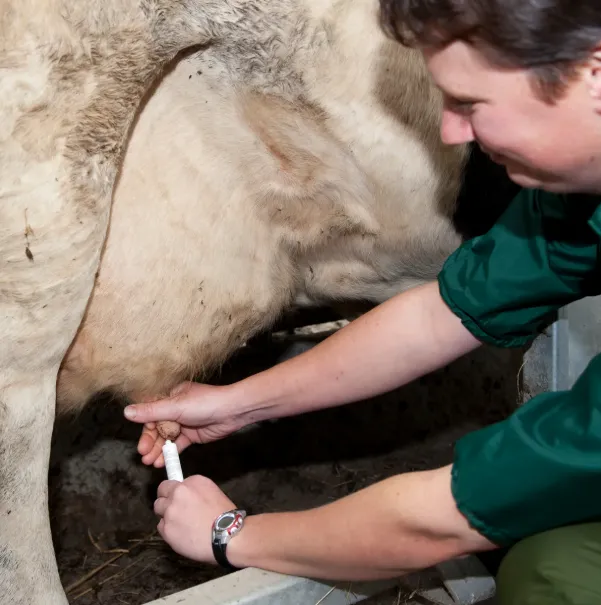
The use of antibiotics in animal farming has become a deeply ingrained practice, particularly in large-scale factory farms. These industrial operations, often housing tens of thousands of animals in cramped and unsanitary conditions, are responsible for producing most of the meat consumed in countries like the US and UK. To keep animals alive in such environments, farmers rely heavily on antibiotics. In fact, about 70% of medically important antibiotics sold in the United States are administered to farmed animals, not people.
This overuse doesn’t just impact animal health—it poses a significant danger to humanity. By encouraging bacteria to evolve resistance, it fuels the rise of so-called “superbugs,” which make once-treatable infections deadly.
Why Are Antibiotics Given to Farm Animals?
There are two primary reasons.
1. Preventing and Controlling Disease
Animals raised in overcrowded, stressful, and unhygienic conditions are prone to illness. Instead of improving their living standards, farms routinely medicate healthy animals with antibiotics as a precaution. Alarmingly, many of these drugs are classified as “critically important” for human medicine. Using them in agriculture not only allows factory farms to maintain poor conditions but also endangers public health by accelerating the spread of resistant pathogens.
2. Promoting Growth
Antibiotics have long been used to speed up weight gain in livestock, a practice that maximizes profits. Though this has been banned in many countries, it remains legal in some and still occurs in others despite restrictions.
The Scale of Antibiotic Use in Farming
Globally, livestock accounts for nearly 70% of all antibiotic consumption. This means the majority of these vital drugs are being used not to heal people but to sustain an unsustainable food system. Reducing reliance on industrial farming is one of the most effective ways to curb this dangerous trend.
Regulations and Loopholes
In the United States, it wasn’t until 2017 that the FDA prohibited the use of antibiotics in livestock solely for growth promotion and required veterinary prescriptions for their use. While this was a step forward, significant loopholes remain, and large-scale preventive use is still widespread.
The Role of Colistin
Colistin deserves special attention. Once considered a “last-resort” antibiotic for people infected with drug-resistant bacteria, it is heavily used in farming. Its overuse has already led to the emergence of a gene that makes bacteria resistant to Colistin, threatening to eliminate one of medicine’s strongest tools for fighting deadly infections.
How Does This Affect Humans?
When antibiotics are misused in animal agriculture, the risks don’t stay on the farm. Resistant bacteria can spread to people through contaminated meat, environmental pollution, or even direct contact with animals. According to the CDC, drug-resistant infections already sicken 2.8 million Americans annually and cause at least 35,000 deaths. Without urgent change, these numbers are expected to climb.
Should Antibiotic Use in Farming Be Reduced?
Absolutely. Continuing on the current path risks rendering essential medicines ineffective. If antibiotics lose their power, everyday infections could once again become fatal. Reducing their use in farming isn’t just about protecting animals—it’s about protecting the future of human health.
What Can We Do?
The most direct way to help is to reduce support for intensive animal agriculture. Every time we choose alternatives to factory-farmed meat, dairy, or eggs, we weaken the demand that fuels antibiotic overuse. Choosing plant-based foods or sustainably sourced alternatives not only benefits personal health but also helps address one of the most pressing public health threats of our time.
Final Thoughts
As long as animals are confined in overcrowded, unhealthy environments and propped up with antibiotics, the risk of resistant “superbugs” will continue to grow. By rethinking our food choices and challenging the system that relies on these dangerous practices, we can protect both human health and animal welfare.