
The practice of farming and consuming animals has long-reaching consequences, not only for the planet but for wildlife, human health, and, of course, the animals themselves. While many are familiar with the concept of animal farming, the reality of this industry is far more troubling than most people realize. In this post, we’ll delve into what animal agriculture entails, the severe effects it has on our world, and how making different choices in what we eat can help us create a more ethical and sustainable future.
What is Animal Agriculture?
At its core, animal agriculture refers to the industrial process of breeding, raising, exploiting, and slaughtering animals for food and other products such as milk, eggs, and leather. It is a highly profitable sector, but its profits come at the cost of the suffering of billions of animals every year. From factory farming to intensive ranching, the methods used are far from humane, and the toll on the environment is staggering.
The Different Faces of Animal Agriculture
While the terminology might vary, all forms of animal farming share a common foundation in exploiting animals for human gain. Terms like “animal husbandry,” “livestock farming,” “factory farming,” and “ranching” are often used interchangeably, though they can refer to slightly different methods of raising animals.
The majority of animals raised for consumption—roughly 80 billion worldwide each year—are kept in intense confinement. These animals, whether chickens, cows, pigs, or fish, are denied even the most basic natural needs like fresh air, the ability to roam, and the space to engage in instinctive behaviors. They exist solely to increase the profits of the industry.
Factory Farming: A Reality for Most Animals
Factory farming refers to a system where animals are kept in overcrowded, unsanitary conditions designed solely for maximum production. In these facilities, animals are often subjected to physical abuse, stress, and poor living conditions.
- Chickens: As the most widely consumed meat, chickens endure some of the worst conditions in factory farms. Thousands of birds are crammed into giant sheds, where they are bred to grow at unnatural rates. Their bodies are so genetically manipulated that many suffer from broken bones or heart failure. The egg industry is no better, where chickens are kept in tiny cages, unable to perform even the most basic natural behaviors.
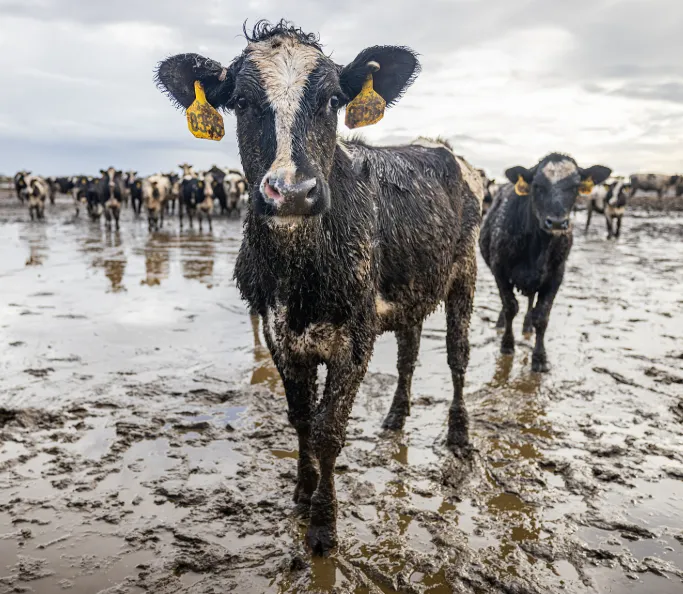
- Cows: Dairy cows face a similar fate. Cows are forcibly impregnated, their calves taken away, and their milk harvested for human consumption. This cycle of abuse continues until the cows are exhausted and sent to slaughter. Beef cattle, too, live most of their lives confined to feedlots, where they are branded, dehorned, and castrated without pain relief.
- Pigs: Pigs, often seen as intelligent and social animals, suffer immensely in factory farms. They are often confined to tiny cages, have their tails cut off, and their teeth ground down. Farrowing crates keep sows confined, preventing them from even reaching their newborn piglets. These mothers undergo repeated cycles of pregnancy and loss, with no relief from their misery.
- Fish: Fish farming, or aquaculture, has become a significant part of the animal agriculture industry, but it also comes with its own set of environmental and ethical concerns. Fish are raised in crowded, disease-ridden environments, and their waste pollutes natural water sources, harming entire ecosystems.
Environmental Impact: Animal Agriculture and the Planet
Animal agriculture is a leading contributor to climate change, deforestation, and biodiversity loss. It is responsible for about 14.5% of global greenhouse gas emissions, which is more than all of the world’s transportation systems combined. The industry also consumes vast amounts of water and is a major cause of water pollution.
- Water and Land Use: Producing animal products requires far more land and water than plant-based foods. In fact, about 77% of global farmland is used to produce meat, eggs, and dairy, but it only provides 18% of the world’s calories. In contrast, plant-based foods use just 23% of the land and provide 82% of our calories. The large-scale land use required for animal agriculture also leads to deforestation, especially in areas like the Amazon rainforest, where forests are cleared to make room for cattle ranching or growing feed crops.
- Biodiversity Loss: The extensive land use required for animal farming has resulted in a dramatic loss of wildlife and natural habitats. The animal farming industry is the primary driver of this loss, as forests are cleared, and wildlife is displaced to make way for factory farms and grazing land.
Human Health: The Hidden Costs of Animal Agriculture
The effects of animal agriculture on human health are often overlooked. Aside from the well-known environmental issues, animal farming contributes to the spread of diseases, the rise of antibiotic-resistant superbugs, and the health risks associated with consuming animal products.
- Antibiotic Resistance: Overuse of antibiotics in factory farms is a major concern. To prevent disease in overcrowded conditions, antibiotics are routinely administered to animals, which contributes to the rise of drug-resistant bacteria. These superbugs can spread to humans, leading to infections that are increasingly difficult to treat.
- Health Risks from Animal Products: Consuming animal products, especially processed meats, has been linked to an increased risk of heart disease, cancer, and other chronic conditions. In contrast, plant-based diets are associated with lower rates of these diseases and can also improve digestive health, skin appearance, and mental well-being.
A Solution for the Future: Plant-Based Eating
While the challenges posed by animal agriculture are immense, the solution is within our reach. By making more ethical and sustainable food choices, we can dramatically reduce our impact on the planet and improve our own health. Plant-based diets, rich in fruits, vegetables, grains, and legumes, not only require less land and water but also generate fewer greenhouse gas emissions.
The benefits of transitioning to a plant-based diet are clear, both for individuals and for the world. Reducing our consumption of animal products can help slow climate change, protect wildlife habitats, and prevent the suffering of billions of animals.
Conclusion
Our food choices hold the power to change the world. By choosing plant-based options, we can reduce animal suffering, minimize environmental damage, and improve our health. Small shifts in our diet—whether it’s opting for a plant-based milk alternative or trying a meatless meal—can make a world of difference. With the right choices, we can move toward a healthier, more compassionate, and sustainable future for all.