
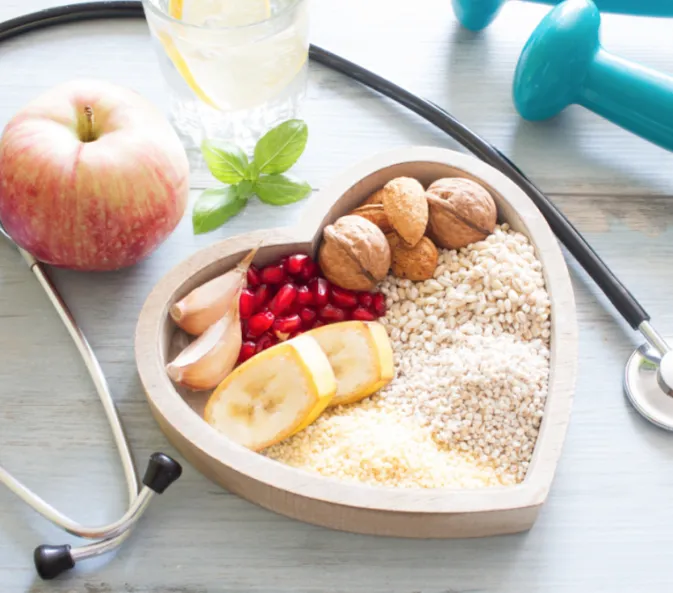
Cholesterol plays an important role in your overall health, but having elevated levels can significantly impact your heart and well-being. Fortunately, there are simple, natural ways to manage your cholesterol levels without relying solely on medications. By making some key lifestyle changes, you can protect your heart and lower your cholesterol for long-term health.
Let’s explore what cholesterol is, how it affects your health, and how you can improve your cholesterol naturally.
What is Cholesterol?
Cholesterol is a fatty substance found in every cell of your body, helping to build cell membranes, produce hormones, and make vitamin D. Your body naturally produces cholesterol, but it also gets cholesterol from food, especially animal products like eggs, cheese, and meats.
There are different types of cholesterol, and they impact your health in different ways. While cholesterol is essential for health, too much can lead to plaque buildup in the arteries, which can increase the risk of heart disease and other cardiovascular problems.
Types of Cholesterol
There are several key components that influence cholesterol levels in the body:
- LDL (Low-Density Lipoprotein) Cholesterol: Often referred to as “bad” cholesterol, LDL contributes to plaque buildup in the arteries, increasing the risk of atherosclerosis and heart disease. Keeping LDL levels in check is essential for cardiovascular health.
- HDL (High-Density Lipoprotein) Cholesterol: Known as “good” cholesterol, HDL helps clear excess cholesterol from the bloodstream, lowering the risk of heart disease. A higher HDL level is generally associated with a lower risk of heart problems.
- Triglycerides: These are fats found in the blood, and high levels can also contribute to plaque formation in arteries, worsening heart health. Lowering triglyceride levels can have significant heart-protective benefits.
Causes of High Cholesterol
Several factors contribute to elevated cholesterol levels, including:
- Age: Cholesterol levels tend to rise with age, particularly in individuals over 40.
- Diet: High intake of saturated fats, trans fats, and cholesterol-rich foods can increase LDL levels.
- Lack of Exercise: A sedentary lifestyle can lower HDL levels and raise triglycerides.
- Smoking: Smoking reduces HDL cholesterol and damages blood vessels.
- Family History: Genetic factors can influence cholesterol levels and heart disease risk.
- Medical Conditions: Conditions like diabetes and high blood pressure can contribute to high cholesterol levels.
How to Test Your Cholesterol Levels
The best way to assess your cholesterol is through a simple blood test. This will measure:
- LDL Cholesterol
- HDL Cholesterol
- Triglycerides
- Total Cholesterol
- HDL/LDL Ratio
These markers give insight into your cholesterol profile and help your doctor develop a personalized approach to managing your health.
Natural Ways to Improve Your Cholesterol
While medications can help manage high cholesterol, lifestyle changes are often just as effective in improving cholesterol levels. Here are six natural strategies to lower your cholesterol:
1. Increase Fiber Intake
Eating enough fiber, particularly soluble fiber, can lower LDL cholesterol. Soluble fiber binds with cholesterol in the digestive system, preventing its absorption and promoting its excretion. Aim for at least 30 grams of fiber per day from foods like:
- Raspberries
- Oats
- Lentils
- Apples
- Flaxseeds
Research has shown that increasing soluble fiber intake can reduce LDL cholesterol by up to 10%.
2. Swap Saturated Fats for Healthier Fats
Saturated fats, found in foods like butter, fatty meats, and cheese, can raise LDL cholesterol levels. Instead, opt for healthier fats like monounsaturated and polyunsaturated fats, which can improve cholesterol levels. Sources of healthy fats include:
- Olive oil
- Avocados
- Nuts and seeds
- Fatty fish (salmon, mackerel)
- Tofu
Even simple swaps, such as using olive oil instead of butter or grilling chicken instead of frying it, can make a significant difference in your cholesterol levels.
3. Be Mindful of Your Drinks
Sugary drinks, like sodas and energy drinks, can negatively impact cholesterol by raising triglyceride levels and lowering HDL cholesterol. Instead, stick to water, herbal teas, or unsweetened beverages. Cutting back on sugary drinks can significantly improve your cholesterol profile.
4. Exercise Regularly
Physical activity is crucial for maintaining healthy cholesterol levels. Exercise can increase HDL cholesterol while lowering triglycerides and LDL cholesterol. The European Society of Cardiology recommends at least 150 minutes of moderate-intensity exercise per week, such as brisk walking, cycling, or swimming. Find an exercise you enjoy to make it easier to stay consistent.
5. Limit Alcohol Consumption
Excessive alcohol intake can raise triglyceride levels and damage your liver. If you drink alcohol, try to stick to the recommended limit of no more than 14 units per week. This is equivalent to about six standard glasses of wine or eight pints of beer. Limiting alcohol can help keep your cholesterol levels in check and improve overall heart health.
6. Quit Smoking
Smoking is a major risk factor for heart disease and can lower HDL cholesterol levels, making it harder for your body to remove cholesterol from the blood vessels. Quitting smoking, even if it’s gradual, can significantly improve your heart health and cholesterol levels.
The Bottom Line
Cholesterol plays an essential role in your body, but managing it effectively is crucial for maintaining a healthy heart. While medications can help, lifestyle changes such as eating more fiber, swapping unhealthy fats for healthier ones, staying active, and avoiding smoking and excess alcohol can significantly improve your cholesterol levels.
By adopting these habits, you’ll not only lower your cholesterol but also enhance your overall health and well-being, leading to a longer, healthier life.