
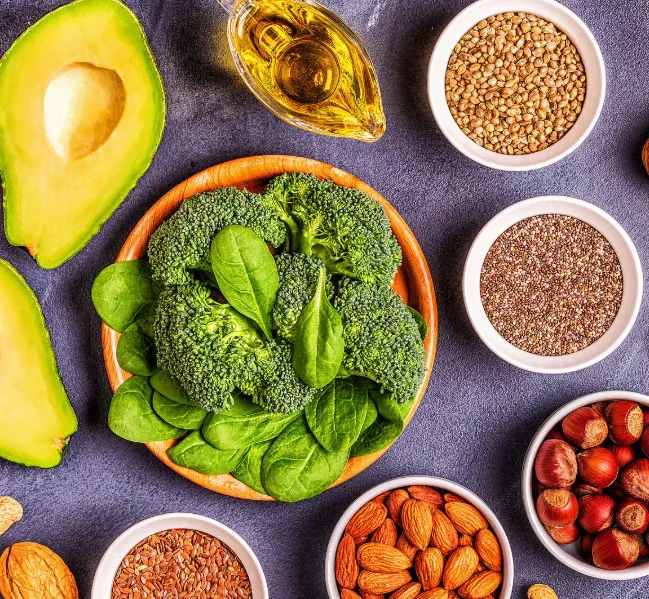
Omega-3 fatty acids are essential fats that your body cannot produce on its own, making it crucial to get them through your diet. But what exactly are omega-3s, why are they important, and where can vegans find them? This guide provides everything you need to know.
What Are Omega-3s?
Omega-3 fatty acids are a type of polyunsaturated fat that play vital roles in maintaining various bodily functions. The three primary types are ALA (alpha-linolenic acid), EPA (eicosapentaenoic acid), and DHA (docosahexaenoic acid). While ALA is the most common omega-3 found in plant-based foods, EPA and DHA are primarily found in fish. However, there are plant-based sources that provide ALA, which the body can convert into EPA and DHA, allowing vegans to meet their omega-3 needs.
Health Benefits of Omega-3
Omega-3s are essential for healthy cell function, the formation of cell membranes, and the regulation of inflammation. These fats contribute to brain health, heart health, and even the prevention of chronic conditions like arthritis, lupus, and eczema. Their anti-inflammatory properties can reduce the risk of cardiovascular disease and stroke.
Do Vegans Get Enough Omega-3?
Vegans who do not consume fish or other animal-based omega-3 sources may have lower levels of EPA and DHA. However, the body can convert ALA from plant foods into these important fatty acids. According to the Physicians Committee for Responsible Medicine (PCRM), most people following plant-based diets have sufficient omega-3 intake, and studies show that vegans typically exceed the recommended daily intake for ALA.
Should Vegans Take Omega-3 Supplements?
While many vegans get enough omega-3s from their diets, others may want to boost their intake of ALA or consider algae-based supplements, which provide DHA and EPA directly. These supplements offer a sustainable, toxin-free alternative to fish-derived omega-3s, and they are a great way to ensure you’re meeting your nutritional needs.
Is Vegan Omega-3 as Effective as Fish Oil?
Fish oil is often touted as a prime source of omega-3, but it comes with its own concerns. Fish accumulate toxins like mercury and PCBs, which can pose health risks, especially for long-term consumption. In contrast, algae-based omega-3 supplements are free from these pollutants and provide the same benefits without the environmental impact. Many doctors recommend algae-based omega-3 as a safer, cleaner option.
Top Plant-Based Sources of Omega-3
Fortunately, there are plenty of plant-based foods that are rich in omega-3, allowing you to meet your daily needs without animal products.
1. Seaweed and Algae
Seaweed, including various types of algae, provides direct sources of EPA and DHA. By consuming algae, you get omega-3s just like fish do, but without the intermediate step.
2. Flaxseeds
Flaxseeds, or linseeds, are one of the most potent sources of ALA, offering more omega-3 per gram than any other plant food. They’re easy to add to your diet by mixing them into smoothies, cereals, or baked goods.
3. Chia Seeds
These tiny seeds pack a punch in terms of omega-3 content. Chia seeds can be sprinkled on salads, mixed into smoothies, or transformed into delicious puddings.
4. Hemp Seeds
Hemp seeds are another excellent source of ALA. They can be added to salads, smoothies, or used in hemp milk or oil for an omega-3 boost.
5. Walnuts
Walnuts are not only tasty but also loaded with omega-3s. They can be snacked on directly or added to meals like salads, yogurt, or baked goods.
6. Edamame
These young soybeans are rich in omega-3s. Enjoy them as a snack, or toss them into stir-fries and salads for an extra health boost.
7. Kidney Beans
Kidney beans are an easy way to incorporate omega-3 into your meals. One cup of kidney beans contains a good amount of ALA, making them an excellent addition to soups, stews, or salads.
8. Soybean Oil
Soybean oil contains a notable amount of ALA, making it a good option for cooking and dressings. It’s a versatile oil to add to your kitchen essentials.
9. Canola Oil
Canola oil, when cold-pressed, is another great source of ALA. It’s widely used in cooking, baking, and salad dressings, making it an easy way to add omega-3 to your diet.
Omega-3 Supplements: Do Vegans Need Them?
If you feel your diet might not be providing enough omega-3, supplements are a simple solution. Marine algae supplements, rich in DHA and EPA, are a vegan-friendly alternative to fish oil. Some experts recommend doubling your intake of ALA through plant-based foods to ensure your body can convert enough to EPA and DHA. If you’re concerned about the omega-6 to omega-3 ratio in your diet, an algae-based supplement might be a good idea.
Conclusion
Omega-3s are essential for your health, and there are plenty of plant-based sources to keep you well-supplied. Whether you increase your intake of ALA-rich foods or choose a supplement derived from algae, it’s easy for vegans to get the omega-3 they need without relying on fish. Eating a variety of these nutrient-dense foods will help you maintain optimal health and prevent nutrient deficiencies, so enjoy these plant-powered sources of omega-3 and thrive!