
The nutrients you eat every day have a direct impact on how you feel, and iron is one of the most important. This mineral supports energy, concentration, and a resilient immune system. When your intake falls short, fatigue, frequent illness, or even brittle nails and hair loss can appear. Iron deficiency is one of the most common nutritional gaps worldwide, but the good news is that it can be corrected through diet and, if needed, supplementation.
Why Iron Is Essential
Iron is a vital part of hemoglobin, the protein in red blood cells that transports oxygen from your lungs throughout your body. Without enough iron, oxygen delivery slows down, leaving you drained and weak. Beyond energy, healthy iron levels also benefit brain function, athletic performance, and immune defenses.
Since the body cannot produce iron naturally, it must come from food. Needs vary by age, sex, and life stage. Women, particularly during menstruation and pregnancy, typically require more than men. On average, women need about 15 mg per day, while men need around 10 mg.
How Iron Status Is Measured
Blood tests are the most reliable way to monitor iron levels. Key markers include:
- Ferritin – shows how much iron is stored.
- Serum iron – reflects the amount of circulating iron.
- Transferrin – a protein that carries iron through the blood.
- Hemoglobin – measures oxygen-carrying capacity.
- Hematocrit – calculates the proportion of blood made up of red cells.
Tracking these markers can help catch deficiencies early, even before symptoms become noticeable.
Iron Deficiency and Anemia
When iron intake consistently falls short, iron deficiency develops in stages. Initially, storage levels decline. If the shortage continues, red blood cell production slows, leading to iron deficiency anemia. This condition often causes pale skin, constant tiredness, headaches, dizziness, shortness of breath, or unusual cravings such as chewing ice.
The World Health Organization estimates that about one in three people worldwide has insufficient iron, and many of them also suffer from anemia. Women of childbearing age, infants, children, vegetarians, and people with digestive conditions are at the highest risk.
Top Food Sources of Iron
There are two forms of dietary iron: heme iron, found in animal products, and non-heme iron, found in plants. Heme iron is absorbed more efficiently, but both types can help you meet your needs.
Animal-based sources (heme iron):
- Red meat – A small portion of beef or pork provides several milligrams of easily absorbed iron.
- Fish and seafood – Tuna, shrimp, and other seafood are reliable sources.
- Eggs – A versatile option that contributes moderate amounts of heme iron.
Plant-based sources (non-heme iron):
4. Tofu and soy products – Rich in protein and minerals, including iron.
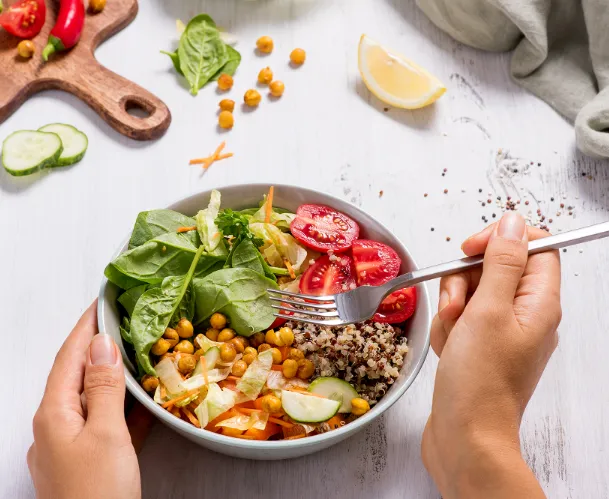
5. Chickpeas, beans, and peas – Affordable staples that add both fiber and iron.
6. Nuts such as pistachios and cashews – Great snack choices that supply non-heme iron.
7. Pumpkin seeds – A small handful delivers a solid boost to your daily intake.
8. Spinach – Cooking enhances the iron availability in this leafy green.
9. Mushrooms – Certain varieties are particularly good sources when cooked.
10. Whole grains like brown rice and oats – Contribute steady amounts of iron along with other nutrients.
Other foods with modest amounts include dried fruits, cabbage, and whole-grain breads.
Supporting Absorption
Not all of the iron you eat makes it into your bloodstream. Some factors help or hinder absorption:
- Vitamin C enhances absorption, making it useful to pair iron-rich foods with citrus, tomatoes, or bell peppers.
- Calcium may interfere, so avoid combining high-calcium foods with your main iron sources.
- Phytates (in grains and legumes) and polyphenols (in coffee, tea, and wine) can block absorption, so try to space these away from iron-rich meals.
Simple food pairings can make a difference, such as beef with tomato sauce, eggs with bell peppers, or lentils with cabbage.
The Takeaway
Iron is fundamental for energy, immunity, and overall health. Because your body cannot produce it, a balanced diet is the best way to maintain healthy levels. Women, young children, and people with limited diets should pay extra attention to their intake. Combining iron-rich foods with vitamin C sources can significantly improve absorption, while avoiding inhibitors during key meals helps maximize benefits.
With mindful eating and regular health checks, you can prevent deficiency, protect your energy levels, and keep your body functioning at its best.