
What Are Hormones?
Hormones are the body’s messengers, controlling countless processes that keep us alive and well. They influence mood, metabolism, growth, fertility, and even blood pressure. With more than 50 hormones working together, balance is essential — when they’re disrupted, the effects can ripple through nearly every system in the body.
Hidden Hormone Disruptors
In modern life, many substances interfere with our hormones. Some are found in plastics, cosmetics, and household chemicals, while others come directly from food. The concern is that long-term exposure may contribute to chronic health problems, making it important to understand where these disruptors come from.
Hormones in Animal Products
Milk and meat are two common sources of hormone exposure. Cow’s milk, for example, naturally contains reproductive hormones, as it comes from lactating animals. Researchers have raised concerns that consuming dairy could play a role in hormone-related cancers. Meat carries risks too, not only because of natural hormones but also because of contamination with substances like phthalates, chemicals widely used in plastics that can act as endocrine disruptors.
Studies have shown phthalates in fast foods, particularly in meat-heavy options, and even in raw meat before packaging, suggesting they enter the food chain through animal feed or water. This adds another layer of concern about how meat consumption may affect hormonal health.
How Diet Impacts Hormone Balance
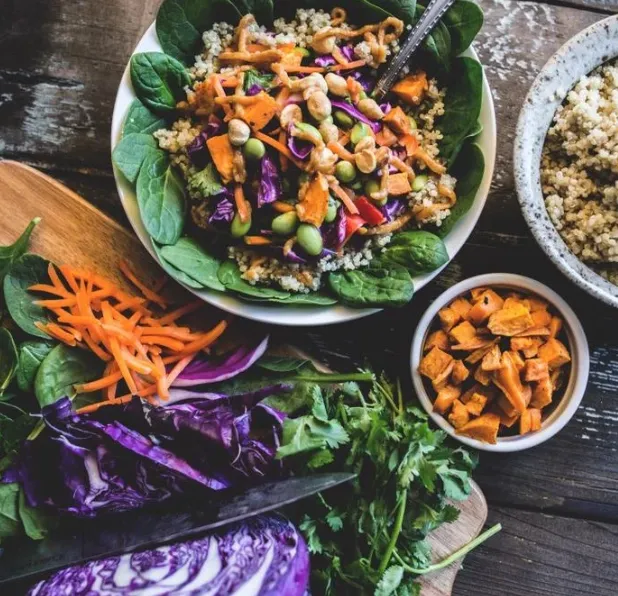
The foods we eat have a powerful influence on hormonal regulation. Shifting toward a diet rich in whole plant foods can help address or ease many hormone-related conditions.
- Menstrual Health: Diets centered on plants may help regulate cycle length and reduce heavy bleeding.
- Endometriosis Relief: Research has linked high meat intake with greater risk of endometriosis, while plant-rich diets may lessen symptoms.
- Fibroid Risk: Fibroids are sensitive to estrogen, and diets heavy in meat may increase risk, whereas plant-based eating seems protective.
- PCOS Management: Since polycystic ovary syndrome is connected to insulin resistance, high-fiber plant foods can help improve symptoms.
- Menopause Support: Soy, nuts, and seeds offer compounds that may ease hot flashes, protect bones, and reduce discomfort.
- Thyroid Function: Minerals like iodine, selenium, and zinc — found in seaweed, Brazil nuts, beans, and grains — play key roles in thyroid health.
- Testosterone Balance: Maintaining a healthy weight and reducing exposure to hormone disruptors from meat and plastics can help support testosterone levels. Contrary to myth, soy does not lower testosterone and is a safe, nutritious food.
Ten Ways to Support Hormone Health
- Boost Fiber Intake
Fiber helps remove excess hormones from the body and supports a healthy gut microbiome. Only plant foods provide fiber, so filling your plate with vegetables, fruits, grains, and legumes is essential. - Include Soy Foods
Soy contains phytoestrogens, which don’t mimic estrogen but instead help regulate it. They protect bone health and may lower cancer risk. - Choose Healthy Fats
Hormones are built from fats, so quality matters. Favor nuts, seeds, avocado, and olive oil over saturated fats from animal products. - Limit Alcohol
Heavy drinking disrupts hormone balance, affecting fertility, stress response, and thyroid health. Opting for alcohol-free alternatives can be beneficial. - Stay Active
Movement improves insulin sensitivity, boosts mood-regulating endorphins, and helps balance estrogen. Choose activities you enjoy — walking, dancing, cycling, or team sports — so exercise feels sustainable. - Reduce Plastic Exposure
Chemicals from plastics, especially phthalates, are linked to hormonal disruption. Using glass containers and avoiding heavily packaged foods can cut down exposure. - Strengthen Bones with Exercise
Weight-bearing activities like walking, lifting weights, or playing tennis help protect bone density, especially during and after menopause. - Use Anti-Inflammatory Spices
Turmeric and ginger have been shown to ease inflammation and reduce painful menstrual symptoms. - Prioritize Anti-Inflammatory Foods
Berries, leafy greens, tofu, nuts, and seeds calm inflammation and support hormonal balance. Soy, in particular, is a standout choice for its unique compounds. - Embrace a Plant-Focused Diet
Whole plant foods provide the nutrients, fiber, and protective compounds needed for a healthy endocrine system. They not only support hormones but also promote overall well-being.
Closing Thoughts
Our hormones are constantly shaping how we feel and function, but modern life exposes us to many disruptors. By choosing a diet built around whole plant foods and limiting sources of hormone interference, we can take back some control. A lifestyle that includes fiber-rich meals, healthy fats, regular movement, and mindful choices around plastics and alcohol can go a long way toward keeping hormones in balance and the body thriving.