
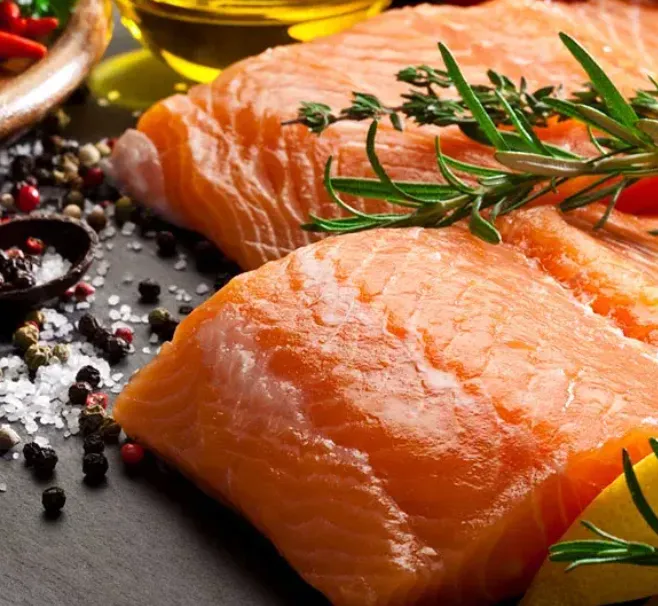
As we become more aware of the ethical and environmental impact of our food choices, the debate between farmed and wild-caught salmon continues to gain attention. Is it more ethical to eat farmed salmon, or should we stick to wild-caught? Or are both options so harmful that we should consider alternatives?
What’s the Difference Between Farmed and Wild Salmon?
Farmed salmon are raised in controlled, intensive environments, often in floating pens in the ocean. These fish are crowded and subjected to stressful, unnatural conditions that make them more prone to disease. On the other hand, wild salmon live freely in natural ecosystems but face their own challenges, such as habitat destruction and overfishing.
One of the key differences between the two types is the appearance. Wild salmon is typically a deeper red or pink, while farmed salmon is often much paler. To compensate for this, fish farms sometimes add artificial colorants to their feed. But the issues extend far beyond just color.
Health Concerns with Farmed Salmon
While both wild and farmed salmon offer nutritional benefits, the health risks associated with farmed salmon are significant. Due to the crowded conditions of fish farms, antibiotics are used to prevent disease and promote faster growth. While this may not directly harm consumers, overuse of antibiotics can lead to antibiotic resistance, a growing public health concern.
Farmed salmon also contain high levels of environmental pollutants, such as dioxins, PCBs (polychlorinated biphenyls), and pesticides. These substances accumulate in the fatty tissues of the fish and can pose serious health risks to humans, including cancer and developmental issues. In fact, a study found that wild-caught salmon sometimes contains even higher levels of these pollutants than farmed salmon. Mercury, another common contaminant, can also accumulate in fish, posing risks to the nervous and immune systems, especially in vulnerable populations like pregnant women and young children.
The Environmental Impact of Fish Farms
The environmental impact of salmon farming is profound. Fish farms contribute to the pollution of marine ecosystems, especially in areas like Norway, Chile, and Canada, where salmon farming is concentrated. Waste from the fish, uneaten food, and chemicals used to control parasites like sea lice are released into the surrounding waters. This pollution disrupts local ecosystems and harms wild fish populations.
Farmed salmon can also escape from their pens, potentially introducing diseases and competing with native species. In one notable incident in 2017, over a quarter of a million farmed salmon escaped from a farm in Washington state, threatening local wildlife.
Overfishing and Bycatch
Wild salmon, while free from the risks of antibiotics and farm-related pollutants, face significant environmental challenges. Commercial fishing practices, particularly trawling, can result in bycatch—the unintentional capture of other marine species, including whales, porpoises, and turtles. This not only harms individual animals but has a broader ecological impact.
Moreover, the overfishing of wild salmon contributes to ocean plastic pollution and climate change. Fishing nets and other equipment often end up in the ocean, killing marine life and further damaging ecosystems. Studies show that the fishing industry is a major contributor to ocean plastic pollution, with projections suggesting that the amount of plastic in the ocean could triple by 2040.
The Ethics of Salmon Farming
The ethical concerns surrounding both farmed and wild-caught salmon are significant. While farmed salmon suffers from poor living conditions and disease, wild salmon are at risk due to overfishing and environmental degradation. A truly ethical food system would avoid harming animals, ecosystems, and human health, which is not the case with either option.
Conclusion: What Should We Choose?
The global food industry’s reliance on unsustainable farming and fishing practices harms the planet, animal welfare, and public health. While both farmed and wild salmon come with serious ethical and environmental issues, we can make better choices by supporting sustainable practices. This might include looking for certified sustainable seafood or opting for plant-based alternatives that provide similar nutritional benefits without the harmful side effects.
Ultimately, the power to drive change lies in our hands. By making informed decisions about what we eat, we can help create a food system that is healthier for us and for the planet.