
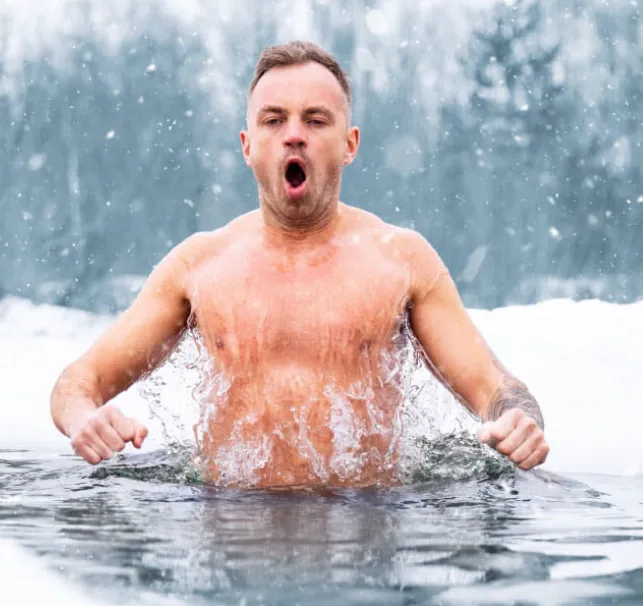
Cold therapy has garnered significant attention in recent years, with proponents like Wim Hof, known as “The Iceman,” leading the charge. The Dutch athlete and world record holder promotes the idea that exposing the body to cold can improve physical health and mental well-being. But what does science say about the potential health benefits of cold therapy? Can it really enhance immunity, reduce inflammation, and help with recovery after intense physical activity? Let’s dive into the research to separate the facts from the hype.
What Exactly Is Cold Therapy?
Cold therapy, also known as cryotherapy or cold hydrotherapy, involves using cold exposure—typically in the form of ice baths, cold showers, cold water immersion, or even applying ice packs to the body—to achieve various health benefits. While cold therapy can seem intense, many people incorporate it into their routines in search of improvements in physical health, mental clarity, and overall well-being.
Can Cold Therapy Boost Immunity and Reduce Inflammation?
The health benefits often attributed to cold therapy, such as boosting the immune system and reducing inflammation, have sparked interest, but does the science back these claims?
Reducing Inflammation
One of the key claims associated with cold therapy is its potential to reduce inflammation. Inflammation is linked to various health issues, ranging from muscle soreness after exercise to chronic conditions like arthritis. Some studies suggest that cold exposure can help lower biomarkers associated with inflammation.
For example, research published in Reumatologia examined the effects of cold therapy on individuals with rheumatoid arthritis and found that exposure to cold led to a significant reduction in C-reactive protein (CRP) levels. CRP is a protein produced in response to inflammation, and lower levels may signal a reduction in inflammation.
Another study in PLOS One found that male athletes who used cold therapy after workouts showed decreased levels of interleukin 1 beta (IL-1β), a molecule involved in the inflammation process. While these studies show promise, more research is needed to fully understand how cold therapy impacts inflammation.
Boosting Immune Function
When it comes to immunity, several studies suggest cold therapy may have a positive effect on immune function. One study found that cold water swimmers experienced an increase in white blood cell count. White blood cells are essential for defending the body against infections.
Additionally, a study on cold showers published in PLOS One revealed that people who took cold showers for 30–90 seconds over the course of 30 days had a 29% reduction in sick days from work compared to those who took warm showers. While the reduction in sick days is notable, researchers suggested that cold showers might not prevent illness entirely, but rather reduce the severity of symptoms.
Other Claimed Benefits of Cold Therapy
While the research is still in its early stages, cold therapy is associated with several other health benefits, including improved vagus nerve activity, enhanced metabolic rate, and faster recovery from exercise.
Vagus Nerve Stimulation
The vagus nerve plays a key role in controlling involuntary body functions such as heart rate, digestion, and immune response. Some research suggests that cold therapy may help activate the vagus nerve, reducing stress and promoting a calmer state by slowing down the heart rate.
Increased Metabolism
One of the most popular claims around cold exposure is its ability to increase metabolism and promote weight loss. While cold therapy might not directly lead to significant weight loss, some studies suggest it can temporarily boost metabolic rate. Observations of Korean female divers, known as haenyeos, who worked in frigid waters without wetsuits, showed that their metabolic rates were higher during winter months than in summer. While this could be partly attributed to their physical activity levels, cold exposure may have played a role.
Better Recovery After Exercise
Cold therapy is widely used by athletes for muscle recovery. While the benefits may vary, some studies have shown that immersion in cold water can reduce soreness and speed up recovery after intense workouts. A review of studies involving nearly 1,100 participants found that cold therapy administered within an hour after exercise helped reduce delayed onset muscle soreness (DOMS) for up to 24 hours. Although the evidence is mixed, many athletes continue to use cold therapy as part of their recovery routine.
How to Get Started with Cold Therapy
If you’re interested in trying cold therapy, there are several ways to ease into it. Cold showers are among the most accessible and beginner-friendly methods.
Cold Showers
To get started with cold showers, you don’t have to jump straight into freezing water. In a study that examined the impact of cold showers on sick days, participants began with warm water and gradually transitioned to cold water for the last 30, 60, or 90 seconds of their shower. This gradual exposure allowed them to experience the benefits without enduring a shocking temperature change.
Ice Baths
For those looking for a more intense form of cold therapy, ice baths are a popular option. Aim to stay in an ice bath for anywhere from two to 10 minutes—don’t exceed 15 minutes, as prolonged exposure to extreme cold can be harmful.
Ice Packs for Muscle Recovery
If you’re looking for a quicker recovery after a tough workout, applying ice packs to sore muscles for 15–20 minutes at a time can be effective. This localized cold exposure helps reduce inflammation and alleviate muscle pain.
Cold Water Swimming
Swimming in cold water is another method, but it requires caution. Cold water immersion can strain the body, particularly the heart, so it’s essential to be mindful of your personal limits and health conditions before diving in.
Final Thoughts
Cold therapy is not a one-size-fits-all solution, but there’s growing evidence supporting its potential benefits. Whether it’s improving immune function, reducing inflammation, enhancing recovery, or boosting metabolism, cold exposure may offer various health advantages when practiced safely. If you’re new to cold therapy, start with cold showers or ice packs and gradually build your tolerance. While research continues to evolve, the scientific community is beginning to recognize the possible positive effects of cold therapy on both the body and mind.