
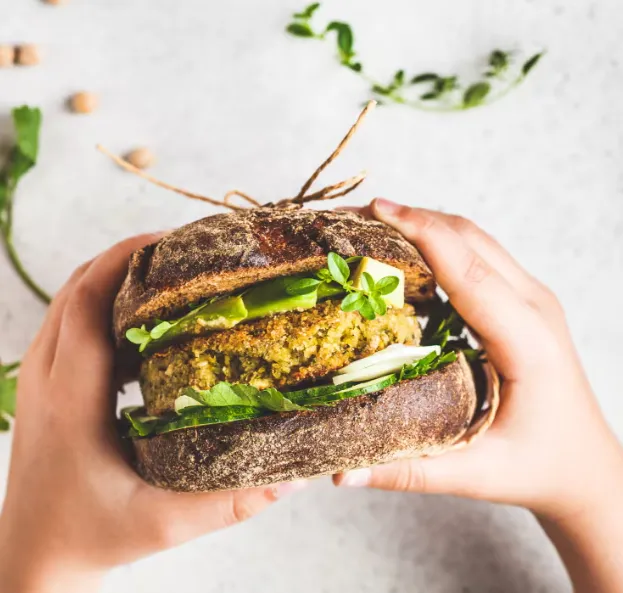
The rise in conversations about ultra-processed foods has been helpful in drawing attention to how modern diets affect health. At the same time, the debate has created confusion, and in some cases, exaggerated fears. When it comes to vegan foods, the question often arises: are they just another type of ultra-processed product, or do they stand apart? Let’s unpack the facts.
Processed Foods Aren’t Always Bad
The word “processed” often gets a bad reputation, but not all processing makes food unhealthy. Wholegrain bread, canned beans, and fortified breakfast cereals all fall into this category, yet they provide valuable nutrients that support a balanced diet. Processing can even make certain foods safer, longer-lasting, and more convenient without stripping them of their benefits. In fact, plant-based processed foods often bring essential vitamins and minerals to the table.
The Real Problem: Processed Meats
Where processing does become harmful is with meat. Studies consistently show that processed meats—like bacon, ham, sausages, and corned beef—are linked to serious health risks, including bowel cancer. No amount of curing, smoking, or preserving changes that outcome. Importantly, the same evidence does not apply to plant-based alternatives. Vegan products modeled after meat do not carry the same disease risks.
What Does “Ultra-Processed” Mean?
The term “ultra-processed” refers to foods made mostly from extracts of other foods, combined with additives like flavor enhancers, colorings, and emulsifiers. These products often contain little to no whole food content, leading some experts to argue they shouldn’t even be called food. Research has linked heavy consumption of such products to heart disease, poor mental health, and even higher overall mortality rates.
So, Where Do Vegan Foods Fit In?
Most vegan staples—fruits, vegetables, legumes, nuts, grains, herbs, and seeds—are naturally unprocessed. Even when canned, dried, or blended into items like peanut butter or tahini, they remain nutrient-rich and health-promoting. These minimally processed vegan foods are not only good for you, they are also affordable and easy to include in daily meals.
The debate usually centers on plant-based meats such as burgers or nuggets. Yes, these products are more processed than whole plant foods, but they are not comparable to processed animal meats. Vegan versions are typically higher in fiber, lower in saturated fat, and free of the cancer-causing compounds found in processed meats. When eaten occasionally, within a diet rich in whole plant foods, they can be part of a healthy pattern.
Why Choose Vegan Meat Instead of Animal Meat?
The choice is clear for several reasons:
- Health benefits: All processed meat from animals is classified as carcinogenic. Vegan alternatives do not share this risk and are part of a dietary pattern linked with lower rates of heart disease, diabetes, Alzheimer’s, and some cancers.
- Environmental impact: A plant-based diet reduces strain on the planet by preserving forests, protecting waterways, and lowering greenhouse gas emissions.
- Ethical reasons: Moving away from animal products prevents unnecessary suffering, sparing billions of animals every year.
Three Simple Tips for Better Eating
- Build your diet around a wide range of plant foods—aim for 30 different fruits and vegetables weekly.
- Include healthy processed vegan items like wholegrain bread, hummus, falafel, tofu, and fortified cereals. A small amount of vegan “meat” or similar products is fine when balanced with whole foods.
- Avoid all processed animal meats, as their health risks are well documented.
Final Thoughts
The label “ultra-processed” should not scare people away from vegan foods. Most plant-based options are either whole or minimally processed, and even the more processed ones are safer and healthier than their meat-based counterparts. A diet built primarily on natural plant foods, supported by a few convenient vegan products, is not only good for health but also for the planet and for animals.