
India is often celebrated as a haven for vegetarians, but it can be surprisingly welcoming for vegans too. While the country has a long tradition of dairy use, much of this only became widespread after the White Revolution in the 1970s. Before that, milk was not easily accessible, and many recipes were originally prepared without it. This history means that a wide range of Indian meals are naturally vegan—or can be enjoyed with very minor adjustments.
Regional Tastes Across India
Food in India varies dramatically by region. Northern dishes are often rich and spice-laden, while the South leans into coastal influences with coconuts, rice, and tangy flavors. The West blends traditions from both ends of the country, while the East offers bold, pungent tastes and dishes unique to its culture. Despite the diversity, one thing is consistent: every region has meals that are either vegan by default or can be easily adapted.
Vegan-Friendly Breakfasts
Breakfast in India is usually savory, with rice and wheat taking center stage. Many popular morning foods are already vegan:
- Poha: Flattened rice sautéed with onions, spices, and potatoes.
- Idli: Steamed rice cakes, traditionally served with coconut chutney and lentil-based sambar.
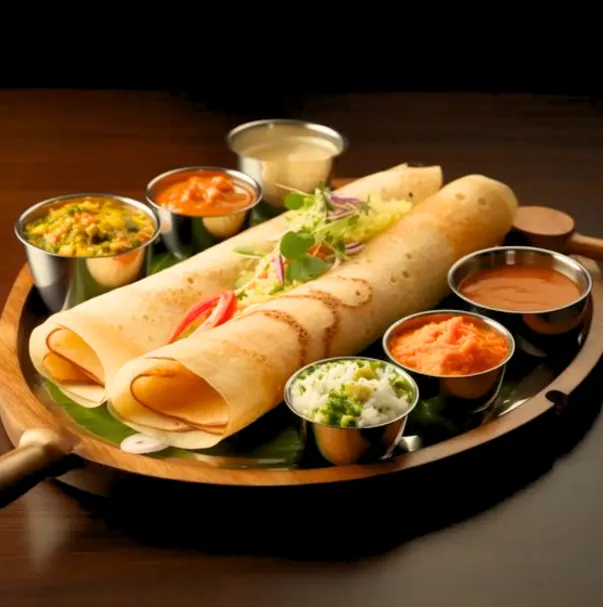
- Dosa: Crisp crepes made from fermented rice and lentils, often filled with spiced potatoes.
- Vada: Lentil fritters shaped like doughnuts, served with chutneys or sambar.
- Sabudana Khichdi: Tapioca pearls stir-fried with peanuts, potatoes, and spices, often eaten during fasting days.
Lunches and Dinners
Main meals typically consist of grains, lentils, and vegetables. For vegans, the options are plentiful:
- Flatbreads: Rotis, parathas, kulchas, and pooris are usually vegan and perfect with curries.
- Lentil Dishes: From spicy chole (chickpeas) and rajma (kidney beans) in the North to comforting sambars in the South, pulses are the heart of many meals.
- Vegetable Curries: Dishes like bhindi (okra), dum aloo (potatoes), and kootu (vegetables with lentils) highlight regional flavors without requiring dairy.
- Rice and Biryani: Plain steamed rice accompanies daily meals, while festive occasions call for fragrant biryanis or vegetable pulao.
Sweets Without Dairy
Desserts in India often rely heavily on milk, but a few classic options are naturally vegan:
- Kaju Katli: Cashew and sugar fudge.
- Petha: A translucent sweet made from ash gourd and sugar.
- Soan Papdi: Flaky, melt-in-the-mouth candy made with gram flour and sugar.
Snacks and Street Food
Snacking is an essential part of Indian culture, and many savory treats happen to be vegan. Favorites include banana chips, sev, murukku, and namkeen mixes. Street food, too, offers exciting plant-based options:
- Bhel Puri: A crunchy mix of puffed rice, vegetables, and tangy chutneys.
- Pani Puri: Crisp shells filled with spiced water, potatoes, and chickpeas.
- Regional Delights: Dhokla and vada pav from the West, samosas and bhujia in the North, momos in the East, and fritters (bajjis) in the South.
Watch Out for Dairy Terms
For those avoiding animal products, it helps to recognize some commonly used dairy ingredients:
- Ghee: Clarified butter
- Paneer: Fresh cheese
- Dahi: Yogurt
- Lassi/Chaas: Yogurt-based drinks
- Malai/Makkhan: Cream and butter
- Khoya: Concentrated milk solids
Tips for Vegan Travelers in India
- Explore Local Cuisine: Each region has specialties that are often plant-based at heart.
- Choose the Right Restaurants: Many vegetarian eateries offer plenty of vegan options; larger cities now have dedicated vegan-friendly places too.
- Enjoy Fresh Fruits: Seasonal fruits like mangoes, guavas, papayas, and bananas are everywhere—affordable, refreshing, and naturally vegan.
From fluffy idlis to spicy chaats, India offers an incredible variety of foods that fit perfectly into a vegan lifestyle. With just a little awareness of hidden dairy, the country becomes one of the most exciting places in the world for plant-based eating.