
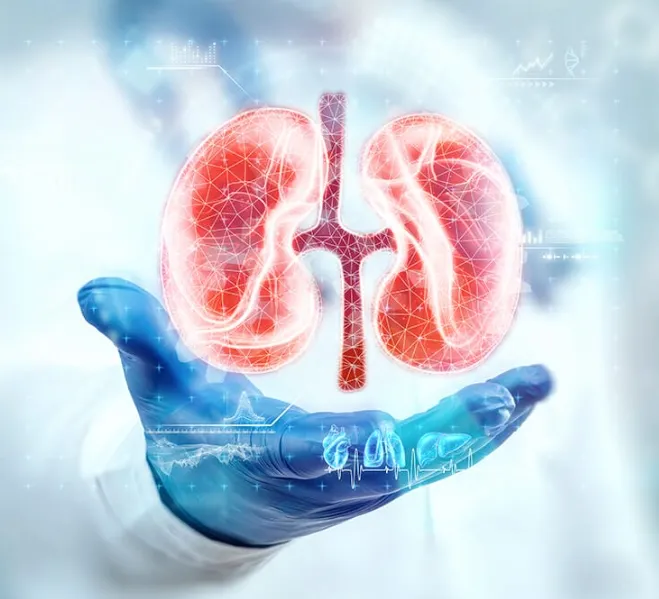
The kidneys, though often overlooked, are crucial for maintaining overall health. As vital organs responsible for filtering waste, regulating blood pressure, and balancing important minerals, it’s essential to prioritize kidney care. With a few simple lifestyle changes, you can ensure your kidneys stay healthy for years to come. Here’s everything you need to know, plus seven actionable tips for preventing kidney issues.
Understanding Kidney Function
Kidneys are small, fist-sized organs located at the bottom of your rib cage. They serve multiple purposes, including filtering waste, toxins, and excess fluids from the bloodstream, which are then excreted as urine. Besides waste management, the kidneys also regulate blood pressure, help control blood sugar, balance sodium and potassium levels, and even activate vitamin D to promote bone health.
Why Kidney Health Matters
When kidneys become damaged, their ability to filter waste diminishes, leading to a dangerous accumulation of toxins in the body. If left unchecked, this could result in kidney failure, a life-threatening condition. Poor kidney health can also contribute to other serious issues such as heart disease, high blood pressure, weakened bones, nerve damage, and anemia. Unfortunately, kidney disease often goes unnoticed until it’s advanced, making regular checkups essential.
How to Monitor Kidney Health
Unlike other health problems, kidney disease doesn’t always present clear symptoms until it becomes severe. This is why it’s crucial to monitor kidney function through lab tests.
Some common kidney function tests include:
- Glomerular Filtration Rate (GFR): This blood test measures how well your kidneys filter waste. A GFR below 60 ml/min suggests a decline in kidney function.
- Creatinine Test: Elevated creatinine levels can indicate kidney dysfunction. Be sure to avoid heavy exercise or eating meat before the test, as these can skew results.
- Blood Urea Nitrogen (BUN): Increased BUN levels can signify kidney issues, particularly if accompanied by other symptoms.
- Urine Tests: Regular urine tests can detect protein, especially albumin, which may be a sign of kidney damage.
7 Tips to Keep Your Kidneys Healthy
- Manage Blood Pressure
High blood pressure can harm your kidneys over time. To keep it in check, aim for a balanced lifestyle that includes regular exercise, a healthy weight, and a diet low in salt. Reducing sodium intake to no more than 1,500 mg per day can help lower blood pressure and protect kidney health. - Control Blood Sugar Levels
High blood sugar levels can damage blood vessels, including those in the kidneys. A diet rich in fresh fruits, vegetables, whole grains, and lean proteins can help stabilize blood sugar. Avoid sugary foods and drinks, as well as highly processed options, to maintain kidney health and prevent conditions like diabetes. - Stay Hydrated
Drinking enough water is essential for kidney function. It helps the kidneys filter waste more efficiently, prevents kidney stones, and supports overall kidney health. A simple way to track hydration is by monitoring the color of your urine; if it’s dark yellow, you may need to drink more water. Aim to hydrate regularly throughout the day. - Exercise Regularly
Staying active supports kidney health by promoting good blood circulation and reducing the risk of obesity, high blood pressure, and diabetes. You don’t need a gym membership—walking, biking, dancing, or even gardening can help keep your kidneys in top condition. - Be Mindful of Medications
Some medications and supplements, when overused, can strain the kidneys. Over-the-counter pain relievers like ibuprofen and aspirin, as well as certain antibiotics, can lead to kidney damage if taken too often. Always discuss your medications with your doctor to ensure they won’t harm your kidneys. - Quit Smoking
Smoking constricts blood vessels and impairs kidney function. It also accelerates the progression of chronic kidney disease and increases the risk of developing related conditions like high blood pressure and heart disease. Quitting smoking, even later in life, can help reverse some of the damage and significantly improve kidney health. - Limit Alcohol Consumption
Excessive alcohol use can impair kidney function by disrupting fluid balance and hormone regulation. Limiting your alcohol intake is crucial for protecting your kidneys. Regularly consuming more than four alcoholic drinks per day can double the risk of kidney problems.
Conclusion
Your kidneys play an indispensable role in your overall health, and taking proactive steps to care for them can have long-lasting benefits. By adopting healthy habits such as managing your blood pressure, controlling your blood sugar, staying hydrated, and avoiding harmful substances like tobacco and excessive alcohol, you can significantly reduce the risk of kidney disease and ensure these vital organs continue to function properly.
Making these small adjustments today can lead to a lifetime of healthy kidneys and better overall well-being.