
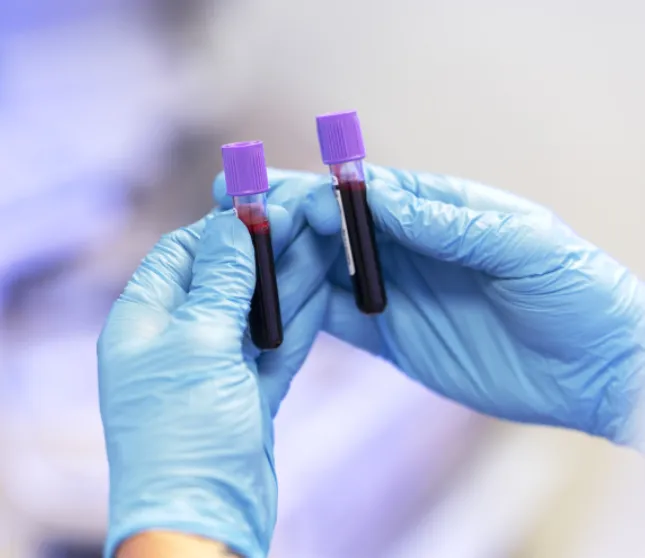
Most of us track steps, monitor sleep, or log workouts, but one area of health that often gets overlooked is what’s happening inside our bodies. Blood tests provide insights that no fitness tracker can match, helping you understand your health on a deeper level. Checking your blood regularly can highlight hidden problems before they turn into serious concerns. Here are five important reasons to make it part of your routine.
1. Ensure Proper Nutrition
Even with a balanced diet, it’s possible to miss out on essential nutrients like iron, vitamin D, or calcium. Deficiencies can lead to fatigue, poor concentration, and a weakened immune system. Blood tests can spot these gaps early, allowing you to adjust your diet or supplements before symptoms worsen. For example, low ferritin levels can reveal reduced iron stores, which affects both energy and immunity.
2. Improve Your Fitness Results
Your body’s performance is closely tied to your blood health. Certain markers influence how well your muscles recover, how efficiently you use oxygen, and how much stamina you have. Regular testing can help you tailor your training plan to your body’s needs. For instance, measuring haemoglobin and haematocrit levels gives valuable information about oxygen delivery and endurance.
3. Identify the Root of Fatigue or Illness
Unexplained tiredness, mood changes, or frequent colds can sometimes be traced back to hormone imbalances or underlying inflammation. A simple blood test can uncover issues such as thyroid problems, which affect metabolism, energy, and even mood. Understanding these signals makes it easier to take action before they escalate into chronic health conditions.
4. Detect Health Issues Early
Many diseases are easiest to treat when caught in their early stages. Routine blood work can flag warning signs long before obvious symptoms appear. For example, the HbA1c test measures average blood sugar over several months and can indicate prediabetes. Identifying this early gives you the chance to make lifestyle changes that may prevent type 2 diabetes altogether.
5. Track Long-Term Health Trends
A single test shows only a snapshot, but repeated checks over months or years reveal valuable trends. Monitoring your results helps you see how your body is changing and whether adjustments in lifestyle, diet, or medication are working. This ongoing record can be one of the most powerful tools for maintaining long-term health.
Regular blood tests aren’t just for when you feel unwell—they’re a proactive way to stay in control of your health. By keeping an eye on your internal markers, you can make informed choices that protect your well-being for years to come.