
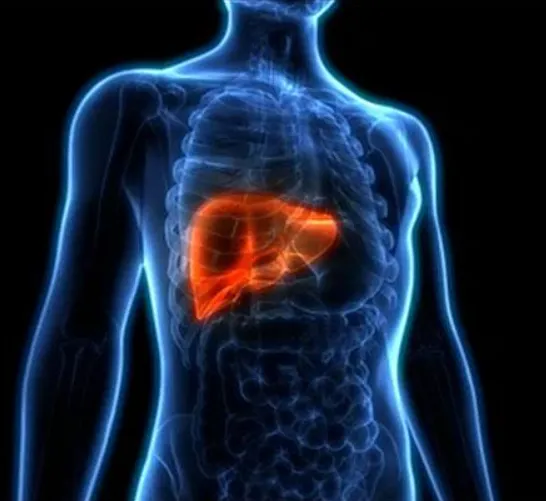
Your liver plays an indispensable role in your overall well-being, yet it’s an organ that’s often overlooked. While it quietly works in the background, performing over 500 crucial functions, taking care of it can make a significant difference in your health. The liver handles everything from filtering toxins, processing nutrients, to balancing hormones, which is why maintaining its health is so important.
However, liver problems often don’t show noticeable symptoms until significant damage has already occurred. This makes it crucial to adopt proactive habits that support liver function. Let’s explore the vital functions of your liver, common signs of liver issues, how to monitor its health, and tips to ensure its optimal performance.
What Does the Liver Do?
The liver is located on the right side of your abdomen and is the second largest organ in the body. It performs more than 500 functions, which are vital for health and survival. Here are some of its key roles:
- Bile production: Bile helps break down fats during digestion.
- Detoxification: It filters toxins and waste products from the blood.
- Metabolism: The liver processes proteins, fats, and carbohydrates for energy use.
- Nutrient storage: It stores vitamins and minerals, releasing them when the body needs them.
- Cholesterol regulation: The liver helps maintain healthy cholesterol levels.
- Blood regulation: It produces albumin, prevents fluid leakage, and regulates blood clotting.
- Hormone balance: The liver also controls various hormones in the body.
Signs Your Liver May Need Attention
Liver issues can be tricky because symptoms often appear only when the condition has progressed. Here are some common signs of liver dysfunction:
- Yellowing of the skin or eyes (jaundice)
- Dark urine and light-colored stools
- Abdominal pain or swelling
- Nausea, vomiting, or loss of appetite
- Swelling in the ankles and legs
- Fatigue or weakness
- Itchy skin
- Unexplained bruising
If you experience any of these signs, it’s essential to consult a healthcare provider promptly.
How to Check Your Liver Health
Blood tests are the most reliable way to assess liver function. Several tests can reveal how well your liver is working and whether there are any signs of damage. These include:
- ALT (Alanine Aminotransferase): Elevated levels may indicate liver damage.
- AST (Aspartate Aminotransferase): High AST levels can also signal liver issues.
- ALP (Alkaline Phosphatase): Increased ALP levels may suggest liver or bile duct problems.
- GGT (Gamma-glutamyl Transferase): High GGT levels could point to liver disease or bile duct damage.
- Bilirubin Test: This measures bilirubin, which can cause jaundice when elevated.
- Albumin Test: Low albumin levels might indicate liver damage or dysfunction.
11 Ways to Keep Your Liver Healthy
Fortunately, your liver is a resilient organ with a remarkable ability to regenerate. By adopting a healthy lifestyle, you can ensure it functions optimally and avoid long-term damage. Here are 11 actionable tips to promote liver health:
- Drink Alcohol in Moderation
Excessive alcohol can lead to liver damage, including cirrhosis. Stick to moderate drinking: no more than two drinks per day for men and one for women. - Eat a Balanced Diet and Maintain a Healthy Weight
Obesity and fatty liver disease are linked. Eating a diet rich in fruits, vegetables, whole grains, and healthy fats, while limiting processed foods, can protect your liver. - Exercise Regularly
Physical activity helps maintain a healthy weight and reduces liver fat. Aim for at least 150 minutes of moderate exercise per week, as recommended by the World Health Organization. - Keep Cholesterol Levels in Check
The liver produces cholesterol, but excess levels can increase your risk of liver disease. Keep your total cholesterol below 200 mg/dL. - Quit Smoking
Smoking exposes the liver to harmful chemicals and toxins. If you’re a smoker, consider quitting to give your liver a fighting chance. - Limit Exposure to Toxins
Chemicals found in cleaning products, pesticides, and aerosols can damage your liver. Use these products in well-ventilated areas and wear protective gear when necessary. - Practice Safe Sex
Hepatitis B and C are transmitted through bodily fluids, including during unprotected sex. Safe sex practices can reduce your risk of these liver-damaging infections. - Use Medications Wisely
Overuse or misuse of medications can harm your liver. Always follow dosage instructions and speak to your doctor about any supplements or over-the-counter drugs you take. - Get Vaccinated Against Hepatitis
Vaccines for hepatitis A and B can protect you from infections that damage the liver. Although there is no vaccine for hepatitis C, preventive measures like safe sex and avoiding shared needles are essential. - Avoid Recreational Drugs
Drugs like cocaine, heroin, and methamphetamine contain toxic compounds that can severely damage the liver. Steering clear of these substances is crucial for liver health. - Be Cautious with Needles
Hepatitis infections can be contracted from sharing needles or unsterilized equipment. If you’re getting a tattoo or piercing, make sure the practitioner uses sterilized tools.
In Conclusion
Your liver is an essential organ that quietly ensures your overall health. Although liver damage can often be silent in its early stages, adopting preventive measures like a balanced diet, regular exercise, and moderation in alcohol consumption can keep it functioning at its best. Regular checkups and blood tests are also essential for monitoring your liver health, so don’t hesitate to seek medical advice if you’re concerned.
Taking care of your liver today can lead to better long-term health and vitality. Keep it happy and healthy by following these simple tips.