
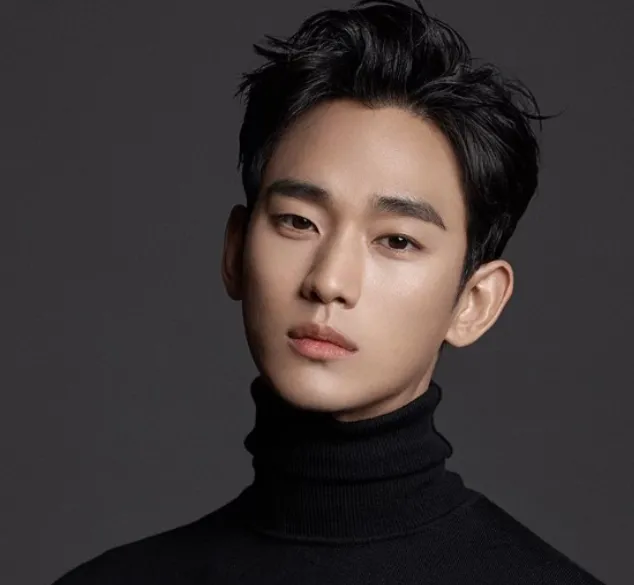
Beauty standards evolve over time, and what was once considered ideal can quickly shift as new trends emerge. In South Korea, the traditional image of masculinity—marked by strength and ruggedness—is being replaced by a new standard. The country has seen a rise in the popularity of the “pretty boy” look, which has not only dominated the entertainment industry but is also influencing beauty trends, particularly in the world of plastic surgery.
Changing Perceptions of Male Beauty in South Korea
Several factors have contributed to the transformation of men’s beauty standards in South Korea. One of the most significant drivers is the success of boy bands, which have become a staple in South Korean pop culture. The members of these groups are often praised for their youthful, delicate features, which appeal to both men and women. This boyish charm has extended beyond music, making its way into Korean cinema and even TV dramas, further cementing the appeal of the softer, more refined male look.
In fact, the shift toward the “pretty boy” look has been so influential that some South Korean men are embracing androgynous features. It’s not uncommon to see male artists wearing makeup or eyeliner, with many viewing these cosmetics as a natural part of grooming, rather than something reserved for women.
This trend can be traced back to prominent figures like Bae Yong-joon, a beloved actor known for his elegant appearance and sensitive roles. His popularity helped redefine the ideal of male beauty in South Korea, influencing everything from boy bands to manga art. As a result, the standards of what it means to be attractive in South Korea have been completely redefined—and these changes are reflected in the country’s increasing focus on cosmetic procedures.
The Pretty Boy Effect on Plastic Surgery
The popularity of the “pretty boy” ideal has had a direct impact on plastic surgery trends in South Korea, with many men opting for procedures that enhance their features to achieve this more delicate, youthful appearance. Cosmetic surgery has become so normalized in South Korea that men openly discuss undergoing procedures without stigma. Reality TV shows that feature men’s cosmetic transformations further contribute to the normalization of plastic surgery, making it seem like a regular, almost necessary, part of grooming.
Some of the most common procedures sought by men include facial softening treatments, such as Botox injections, as well as body contouring methods like vaser liposuction. More invasive procedures like rhinoplasty (nose surgery), eyelid surgery, and jaw reduction are also popular choices for those looking to emulate their South Korean idols.
While some men aim to create a softer, more feminine face, the “pretty boy” look still requires a well-defined, muscular body. This is often referred to as the “jimsun-idol” aesthetic—a boyish face paired with a toned physique. The female counterpart to this ideal is the “bagel girl,” who is expected to have a youthful, baby-faced look combined with a curvy, sexy body.
For men looking to quickly achieve a six-pack, liposuction is often used to sculpt the muscles without the need for extensive exercise. While it is recommended to maintain the results with regular workouts, this approach allows for immediate results, making it an attractive option for some.
The Global Influence of South Korea’s Beauty Standards
South Korea’s unique beauty standards are often seen as a departure from those in other parts of the world. While different regions may hold different ideals of attractiveness, South Korea’s focus on delicate, youthful features and muscular physiques has started to gain international attention. Many of the country’s top stars are crossing borders and reaching audiences around the world, which could mean that South Korea’s beauty standards might soon have a broader influence.
As more people embrace these new standards, both in South Korea and globally, it’s clear that the definition of beauty for men is continuing to evolve. What was once seen as the pinnacle of male attractiveness—strength and ruggedness—is now being challenged by a more refined, softer ideal that has become deeply ingrained in the culture. Whether or not these trends will continue to spread remains to be seen, but one thing is certain: beauty standards are always changing, and South Korea is at the forefront of this evolution.